
When selecting materials for packaging, industrial components, or consumer goods, understanding the nuances between options is critical to meeting performance, sustainability, and cost goals. Two commonly compared materials are cellophane and polyethylene (PE), each with distinct origins, properties, and ideal use cases. While both are used in applications ranging from food wrapping to industrial liners, their core differences in composition, strength, biodegradability, and manufacturing make them suited for very different needs. A clear grasp of cellophane vs polyethylene material differences, cellophane vs polyethylene strength comparison, cellophane vs polyethylene biodegradability, cellophane vs polyethylene manufacturing process, and cellophane vs polyethylene application differences will help you make the right choice for your project.
Key Takeaways
- Cellophane vs polyethylene material differences define their core identities: cellophane is a plant-derived regenerated cellulose film, while polyethylene is a synthetic petroleum-based thermoplastic.
- A cellophane vs polyethylene strength comparison shows polyethylene outperforms cellophane in durability, tear resistance, and low-temperature resilience, making it ideal for heavy-duty use.
- Cellophane vs polyethylene biodegradability is a defining environmental gap: uncoated cellophane fully biodegrades, while traditional polyethylene persists in the environment for centuries, though recyclable and emerging biodegradable variants exist.
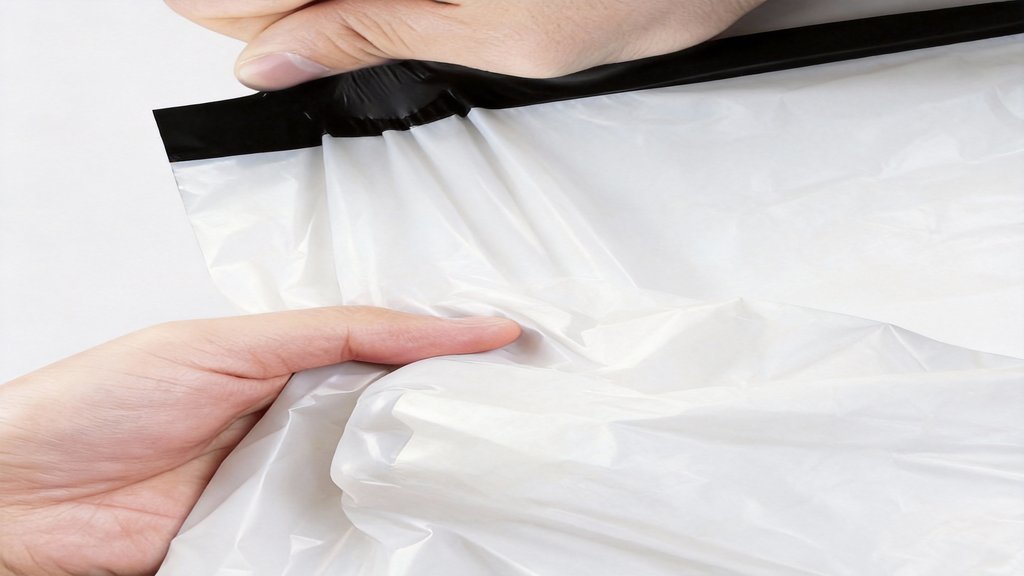
Cellophane vs Polyethylene Manufacturing Process and Material Composition
At their core, cellophane and polyethylene are fundamentally different types of materials, with manufacturing processes that reflect these origins, forming the basis of cellophane vs polyethylene material differences.
Cellophane is a regenerated cellulose film, derived from natural sources like wood pulp or cotton linters. Its production begins with processing plant-based cellulose into a viscous solution, which is then extruded through a narrow slit into a bath of sulfuric acid. This bath coagulates the solution into a thin, transparent film, which is then washed, bleached, and treated to enhance properties like moisture resistance. As a plant-derived material, cellophane has a long history as a “natural” packaging option, predating many synthetic plastics. Its entire supply chain is rooted in renewable resources, a key selling point for eco-focused brands.
Polyethylene, by contrast, is a synthetic thermoplastic polymer made from petroleum or natural gas feedstocks. Its manufacturing centers on polymerizing ethylene monomers—small, simple molecules composed of carbon and hydrogen—through processes like radical, anionic, or cationic polymerization. The method chosen determines the type of PE produced: high-density polyethylene (HDPE) has tightly packed, linear chains for rigidity; low-density polyethylene (LDPE) has branched chains for flexibility; and linear low-density polyethylene (LLDPE) offers a balance of strength and ductility. This versatility in production allows PE to be tailored to a wide range of applications, from rigid water bottles to stretchy plastic bags. Unlike cellophane, its origins are non-renewable fossil fuels, though some manufacturers now use bio-based ethylene from sugarcane for a more sustainable variant.
Cellophane vs Polyethylene Strength Comparison and Mechanical Performance
When evaluating cellophane vs polyethylene strength comparison, the synthetic nature of PE gives it a clear edge in most mechanical categories.
Polyethylene’s molecular structure, a simple carbon-hydrogen chain with no side branches (in HDPE) or controlled branching (in LDPE/LLDPE), delivers impressive durability. HDPE, for example, has a tensile strength of up to 30 MPa, making it rigid enough for heavy-duty containers and industrial pipes. LDPE, while less strong, offers exceptional flexibility and impact resistance, even at low temperatures down to -100°C, making it ideal for stretch wraps and squeeze bottles. All PE variants resist tearing and abrasion well, with ultra-high molecular weight polyethylene (UHMWPE) used in applications like bulletproof vests due to its unmatched toughness. This mechanical versatility means PE can be adapted to everything from lightweight grocery bags to heavy industrial liners.
Cellophane, while strong for a natural film, cannot match PE’s mechanical resilience. It has a lower tensile strength, typically around 10-15 MPa, and is more prone to tearing when stretched or exposed to sharp edges. It also becomes brittle at low temperatures and can weaken when wet, unless treated with a water-resistant coating. While cellophane’s stiffness can be an asset for crisp, wrinkle-free packaging, it lacks the ruggedness needed for high-impact or heavy-use applications. For example, a cellophane food wrap may tear if stretched too tight, whereas an LDPE wrap will stretch and retain its shape without breaking.
Cellophane vs Polyethylene Biodegradability and Environmental Impact
One of the most significant differences between cellophane and polyethylene lies in their environmental footprints, particularly cellophane vs polyethylene biodegradability, which often drives material choices for sustainable brands.
Traditional cellophane is fully biodegradable and compostable under the right conditions. As a cellulose-based material, it breaks down naturally through the action of microorganisms in soil or industrial composting facilities, leaving behind only organic matter within a few months to a year. However, many modern cellophane products are coated with synthetic materials like nitrocellulose or polyethylene to improve moisture resistance, which can slow or prevent biodegradation. Uncoated cellophane remains a popular choice for eco-conscious brands seeking a truly sustainable packaging solution, as it aligns with zero-waste and circular economy goals.
Polyethylene, on the other hand, is a non-biodegradable synthetic polymer. Its long, stable molecular chains resist breakdown by natural microorganisms, meaning traditional PE products can persist in landfills or the environment for hundreds of years. While PE is highly recyclable—HDPE and LDPE are among the most commonly recycled plastics—only a small percentage of PE waste is actually recycled globally, due to collection challenges and contamination issues. In recent years, manufacturers have developed biodegradable PE alternatives, which add additives to speed up decomposition in industrial composting, but these are not yet widely adopted and do not break down in natural environments like oceans or soil. For brands prioritizing quick, natural decomposition, uncoated cellophane is the clear winner in cellophane vs polyethylene biodegradability.
Cellophane vs Polyethylene Application Differences
The unique properties of cellophane and polyethylene translate to distinct ideal use cases, forming the basis of cellophane vs polyethylene application differences.
Cellophane’s transparency, gloss, and natural origins make it a top choice for premium packaging. It is commonly used for wrapping food items like candy, baked goods, and fresh produce, where its ability to showcase products while allowing some breathability (in uncoated forms) helps maintain freshness. It is also used in gift wrapping, cosmetic packaging, and as a protective layer for books or documents, thanks to its crisp, professional appearance. Coated cellophane can be used for moisture-sensitive items, but its limited durability means it is not suitable for heavy or rough-handled products. For example, a luxury chocolate brand might use uncoated cellophane to wrap its products, highlighting the natural, sustainable appeal to eco-conscious consumers.
Polyethylene’s versatility makes it one of the most widely used plastics in the world. HDPE is used for rigid containers like milk jugs, detergent bottles, and industrial drums, as well as for pipes and outdoor furniture, thanks to its rigidity and chemical resistance. LDPE is the material of choice for plastic bags, stretch wraps, squeeze bottles, and food storage containers, thanks to its flexibility and low cost. LLDPE is used in applications that require both strength and ductility, such as agricultural films, shipping sacks, and automotive components. PE’s resistance to chemicals, moisture, and low temperatures also makes it ideal for industrial liners, electrical insulation, and medical packaging. For example, a shipping company might use HDPE drums to transport hazardous chemicals, while a grocery store relies on LDPE bags for customer purchases.
FAQ
Q: Is cellophane more expensive than polyethylene?
A: Yes, cellophane is generally more expensive than polyethylene due to its plant-based raw materials and more complex manufacturing process. Polyethylene’s low-cost fossil fuel feedstocks and scalable production make it a budget-friendly option for high-volume applications.
Q: Can coated cellophane still be composted?
A: It depends on the coating. Cellophane coated with synthetic materials like polyethylene is not fully compostable, as the plastic coating resists microbial breakdown. Only uncoated cellophane will biodegrade completely in industrial or home composting environments.
Q: Which material is better for food packaging: cellophane or polyethylene?
A: It depends on the food type and storage needs. Uncoated cellophane is ideal for fresh produce or baked goods that need breathability to prevent mold, while polyethylene is better for moisture-sensitive foods like frozen items or snacks, as it provides a tight, water-resistant seal. For sustainable-focused brands, uncoated cellophane is a top choice, while polyethylene is preferred for cost and durability in long-term food storage.
Conclusion
Cellophane and polyethylene are two distinct materials, each with unique strengths and limitations, shaped by cellophane vs polyethylene material differences, cellophane vs polyethylene strength comparison, cellophane vs polyethylene biodegradability, cellophane vs polyethylene manufacturing process, and cellophane vs polyethylene application differences. Cellophane offers a natural, biodegradable option with premium aesthetic qualities, making it ideal for high-end packaging and applications where sustainability is a top priority. Polyethylene, meanwhile, delivers unbeatable durability, versatility, and cost-effectiveness, making it the go-to choice for everything from everyday consumer goods to heavy industrial components.
When choosing between the two, it’s essential to consider factors like mechanical requirements, environmental goals, and end-use conditions. For applications where transparency, breathability, and biodegradability matter most, cellophane is the clear choice. For projects that demand ruggedness, flexibility, or low cost, polyethylene remains the industry standard. By understanding these key differences, you can select the material that best aligns with your product’s needs and values.