
In healthcare facilities, research labs, and diagnostic centers, proper management of biohazardous waste is non-negotiable. From blood and bodily fluids to contaminated lab equipment and sharps, these materials pose significant risks to human health and the environment if not handled correctly. Enter autoclavable biohazard plastic bags—specialized containers designed to work seamlessly with autoclave sterilization systems to neutralize pathogens and simplify safe disposal. Unlike standard medical waste bags, these heavy duty biohazard plastic bags are engineered to withstand extreme heat and pressure, making them a cornerstone of compliant, efficient waste management in high-risk settings.
Key Takeaways
- autoclavable biohazard plastic bags enable complete pathogen neutralization via autoclaving, eliminating even heat-resistant spores that standard disinfection can’t kill.
- Durable, leak-resistant designs like red biohazard plastic waste bags minimize worker exposure risks and ensure compliance with OSHA and environmental regulations.
- These bags offer a cost-effective, eco-friendly alternative to incineration, with versatile sizing suitable for hospitals, labs, and clinics alike.
Unmatched Pathogen Neutralization & Durability for Safe Waste Handling
The primary advantage of autoclavable biohazard plastic bags lies in their ability to facilitate full sterilization of infectious waste before it enters the general waste stream. Autoclaving uses saturated steam at 121°C (250°F) and 101.3 kPa of pressure to denature proteins and destroy heat-resistant spores, bacteria, and viruses—microorganisms that standard disinfection methods cannot neutralize.
Constructed from specialized PE or PP plastic, autoclavable biohazard plastic bags resist melting or deforming under these harsh conditions; top-tier heavy duty biohazard plastic bags can even tolerate temperatures up to 135°C (275°F), ensuring full steam penetration and sterilization. This transforms dangerous waste into non-infectious material, eliminating cross-contamination risks and aligning with OSHA and environmental regulations that mandate proper decontamination to protect workers, waste handlers, and the public.
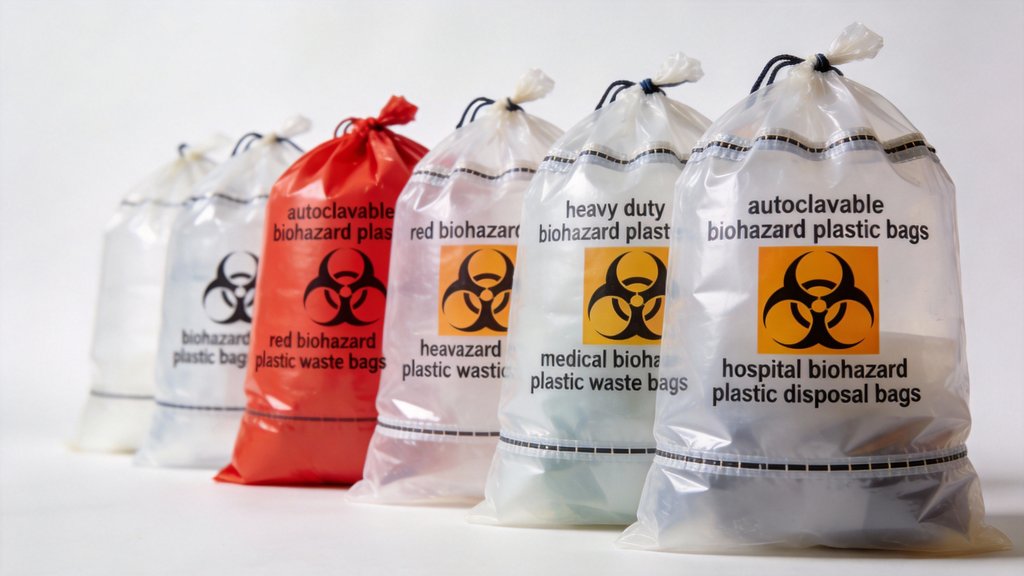
For frontline staff, the durability of these bags is equally critical. medical biohazard plastic waste bags feature thickened materials, reinforced seams, and seamless bottoms to prevent leaks and tears during transport to the autoclave. red biohazard plastic waste bags, a common heavy-duty variant, are made from puncture-resistant polypropylene or HDPE, resisting damage from sharps like needles and scalpel blades while containing liquids such as blood or culture media. This robust construction reduces accidental exposure risks for healthcare workers and lab technicians who handle biohazardous waste daily.
Regulatory Compliance & Simplified Waste Management
Proper biohazard waste management is heavily regulated, with OSHA, environmental agencies, and local health departments enforcing strict guidelines for labeling, containment, and disposal. autoclavable biohazard plastic bags are purpose-built to meet these requirements, taking the guesswork out of compliance for facilities.
Most bags display the universal OSHA-standard biohazard symbol and clear labeling such as “Hazardous Waste” to alert handlers to contents. red biohazard plastic waste bags are color-coded for easy identification, ensuring infectious waste is never mixed with general trash. Many also include temperature indicator strips that change color once sterilization is complete, providing visual proof of proper decontamination—critical for audits and compliance documentation. Reputable manufacturers test their bags to meet industry standards like ASTM D1299-94A for tear resistance, guaranteeing real-world performance. For hospital biohazard plastic disposal bags, dual-language labeling is often available to support multilingual staff, further streamlining safe handling.
Cost-Effective, Eco-Friendly & Versatile Solutions
autoclavable biohazard plastic bags pair with autoclaving to create one of the most cost-effective and eco-friendly biohazard waste disposal methods available. Unlike incineration, which releases emissions and requires specialized equipment, autoclaving uses only steam and pressure, eliminating the need for harsh chemicals or fuel. This cuts operational costs for facilities, as there’s no need to purchase expensive disinfection products or pay for specialized incineration services. After sterilization, waste volume is often reduced, lowering long-term disposal costs, and many autoclavable biohazard plastic bags are recyclable in regions with appropriate infrastructure, minimizing environmental impact.
Versatility is another key benefit: these bags come in a wide range of sizes and configurations to suit diverse high-risk settings. Small bags work for individual lab stations or clinic exam rooms, while large models (up to 110×150 cm) handle bulk waste from hospital wards or research labs. Beyond red biohazard plastic waste bags, options include clear bags for visual content inspection, yellow bags for specific waste categories, and bags with large white panels for labeling dates, facility information, or waste types. This adaptability makes hospital biohazard plastic disposal bags and other variants suitable for everything from blood banks and animal research facilities to diagnostic labs.
FAQ
Q: Can autoclavable biohazard plastic bags be reused after sterilization?
A: No, these bags are designed for single-use only. Even if they remain intact after autoclaving, the plastic may degrade slightly, and reusing them risks contamination or failure during subsequent sterilization cycles, violating safety protocols.
Q: What’s the difference between red biohazard plastic waste bags and standard medical waste bags?
A: Standard medical waste bags are not engineered to withstand autoclave heat and pressure, so they cannot be used for sterilization. red biohazard plastic waste bags are heavy-duty, heat-resistant, and color-coded for infectious waste, ensuring compliance and safe handling through the sterilization and disposal process.
Q: Are autoclavable biohazard plastic bags required for all medical waste?
A: They are mandatory for infectious waste that requires sterilization before disposal, such as blood, bodily fluids, and contaminated lab equipment. Non-infectious medical waste (like unused gloves) may be disposed of in standard bags, but heavy duty biohazard plastic bags are critical for high-risk materials to meet regulatory requirements.
Conclusion
autoclavable biohazard plastic bags are far more than just containers—they are a critical component of a safe, compliant, and efficient biohazard waste management system. By enabling thorough pathogen neutralization, minimizing worker exposure risks, ensuring regulatory compliance, and offering cost-effective sustainability, these heavy duty biohazard plastic bags provide unmatched value for healthcare and research facilities. For any environment handling infectious materials, investing in high-quality autoclavable biohazard plastic bags, including red biohazard plastic waste bags and hospital biohazard plastic disposal bags, is an essential step toward protecting workers, the public, and the environment from the dangers of biohazardous waste