
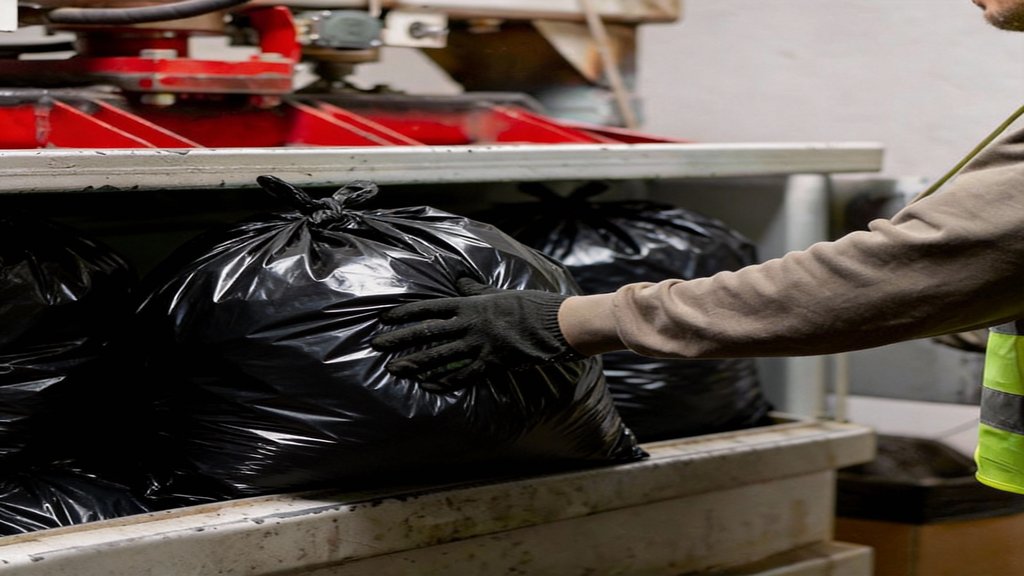
Tackling outdoor cleanup—whether it’s yard waste, construction debris, or commercial property maintenance—demands more than a standard household garbage bag. Outdoor waste is often loaded with sharp twigs, thorny trimmings, wet leaves, stones, and heavy branches, all of which can tear thin, low-quality bags in an instant. A failed bag means messy spills, extra cleanup work, and even safety risks from exposed sharp debris. That’s why homeowners, landscapers, and property managers rely on heavy duty industrial garbage bags built specifically for outdoor use. But with so many options on the market, how do you choose the right one? Below are the critical features to prioritize when selecting bags that can stand up to the toughest outdoor conditions.
Key Takeaways
- Prioritize high load-bearing industrial garbage bags, puncture resistant heavy duty garbage bags, and thick mil industrial garbage bags outdoor to avoid spills and handle tough outdoor waste like wet leaves, sharp branches, and construction scraps.
- Match bag size and capacity to your task: use smaller bags for residential yard work and contractor grade outdoor garbage bags for large-scale construction or commercial property maintenance.
- Look for user-friendly and sustainable features, such as reinforced handles, leak-proof seals, and eco-certified materials, to boost efficiency and reduce environmental impact.
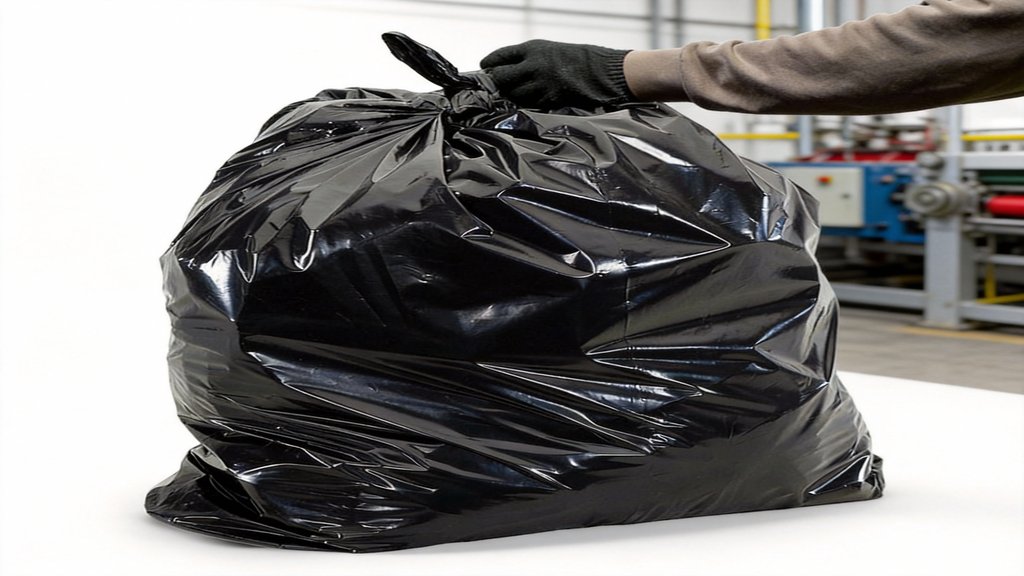
Core Strength Features: Load-Bearing, Puncture, and Tear Resistance
The most non-negotiable features of reliable outdoor industrial garbage bags are those that prevent failure under pressure and sharp debris. These traits ensure your bags hold up to heavy, abrasive waste without messy breaks.
First, high load-bearing industrial garbage bags are essential for handling heavy, bulky loads without ripping. Wet leaves, thick branches, and construction scraps can add unexpected weight, so you need bags that won’t stretch or break under pressure. Opt for bags made from high-density polyethylene (HDPE) or low-density polyethylene (LDPE)—plastics that balance strength and flexibility. For most outdoor tasks, aim for thick mil industrial garbage bags outdoor with a thickness of 1.5 to 3 mils; for extreme construction jobs, go for 4 mils or thicker to support loads up to 110 lbs, reducing trips to the waste bin and boosting efficiency.
Next, puncture resistant heavy duty garbage bags are a must to defend against sharp outdoor debris like thorny trimmings, jagged twigs, and metal scraps. Thicker plastic is a good start, but multi-layered designs or reinforced bottom and side panels offer extra protection. For example, bags with diamond-shaped bottom reinforcement distribute pressure evenly, preventing tears from spreading. HDPE is particularly effective here, as its rigid structure stands up to sharp edges better than more flexible LDPE.
Finally, tear resistant industrial garbage bags ensure small snags don’t turn into full-on spills. Look for bags with reinforced seams and flexible yet strong materials that can stretch without tearing. Many premium models combine tear resistance with load-bearing strength, making them ideal for mixed waste like wet leaves and sharp branches that can stress bags from multiple angles.
Size, Fit, and Functional Design: Tailor to Your Outdoor Task
Even the strongest bags will fail if they’re the wrong size or lack practical design features. Matching your bag to the job and choosing user-friendly options streamlines cleanup and reduces frustration.
Start by selecting the right size and capacity. For residential yard work, 30 to 50-gallon bags work well for leaves and small branches. For commercial landscaping or storm debris cleanup, 55 to 95-gallon bags are better suited for bulk waste. For construction sites, contractor grade outdoor garbage bags (55 gallons or larger) are engineered to hold heavy materials like concrete scraps, lumber, and metal parts. Always measure your trash can or typical waste volume to ensure a snug fit—excess slack can catch on debris and cause tears, undermining even the strongest thick mil industrial garbage bags outdoor.
Leak-proof design is another critical functional feature. Wet waste like rain-soaked leaves or mud can seep through poorly sealed bags, creating slippery hazards and extra cleanup. Look for bags with heat-sealed bottoms and sides, or seamless construction to eliminate gaps where leaks can occur. Some bags even include drain holes for yard waste, letting excess water escape to reduce overall weight without sacrificing containment.
User-friendly features also make a big difference. Reinforced handles or drawstrings on high load-bearing industrial garbage bags make it easy to seal and carry heavy loads without straining your hands. Color-coded bags help with waste sorting—green for yard waste, black for general industrial waste, clear for recycling—and comply with local disposal regulations. Easy-tear perforations on rolls let you quickly grab a single bag without tangled plastic, saving time during busy cleanup projects.
Eco-Friendly Options: Balance Durability and Sustainability
As environmental awareness grows, many manufacturers now offer heavy duty industrial garbage bags that don’t compromise strength for sustainability. These options let you reduce your plastic footprint while still handling tough outdoor waste.
Look for puncture resistant heavy duty garbage bags made from recycled HDPE or LDPE, which use less virgin plastic while maintaining load-bearing and tear resistance. For even more sustainability, consider compostable or biodegradable bags made from plant-based materials like PLA or PBAT, which break down in industrial composting facilities. Just be sure to check for third-party certifications like BPI or OK Compost to ensure genuine eco-standards. Note that biodegradable bags may not be suitable for sharp or heavy debris unless specifically labeled for that use, so pair them with tear resistant industrial garbage bags for mixed waste tasks when needed.
Some brands also offer reusable heavy duty bags made from thick, durable fabrics, which can be washed and reused multiple times for yard work or light construction debris. While these have a higher upfront cost, they reduce long-term plastic waste and can be a cost-effective choice for frequent cleanup users.
FAQ
Q: What’s the difference between thick mil industrial garbage bags outdoor and standard household bags?
A: Thick mil industrial garbage bags outdoor are made from heavier, more durable plastic (1.5 mils or thicker) compared to standard household bags (usually 0.5 to 1 mil). They’re engineered with high load-bearing industrial garbage bags capabilities, puncture resistant heavy duty garbage bags traits, and tear resistance to handle sharp, heavy outdoor waste that would tear thin household bags instantly.
Q: When should I use contractor grade outdoor garbage bags instead of regular industrial bags?
A: Contractor grade outdoor garbage bags are designed for extreme, heavy-duty tasks like construction debris removal, large-scale storm cleanup, or commercial property maintenance. They typically have a thickness of 4 mils or more, extra-large capacities (55 gallons+), and reinforced seams to hold heavy materials like concrete, lumber, and metal scraps that would overwhelm standard industrial bags.
Q: Are eco-friendly heavy duty industrial garbage bags as strong as traditional plastic bags?
A: Yes, when chosen correctly. Recycled plastic tear resistant industrial garbage bags and puncture resistant heavy duty garbage bags offer the same load-bearing and tear resistance as virgin plastic options. Compostable bags may be slightly less durable for sharp debris, but many eco-certified models are engineered to handle yard waste and light construction scraps without failure. Always check product labels for strength ratings and intended use.
Conclusion
Choosing the right heavy duty industrial garbage bags for outdoor use doesn’t have to be complicated. By prioritizing high load-bearing industrial garbage bags, puncture resistant heavy duty garbage bags, thick mil industrial garbage bags outdoor, and tear resistant industrial garbage bags, you can avoid messy spills and extra cleanup. Match bag size to your task, opt for functional features like leak-proof seals and reinforced handles, and consider sustainable options to reduce your environmental impact. Whether you’re a homeowner tackling a weekend yard project or a property manager overseeing commercial waste disposal, investing in quality bags—like contractor grade outdoor garbage bags for extreme jobs—will save you time, reduce frustration, and ensure your cleanup goes smoothly. With the right features, your garbage bags can handle whatever outdoor waste comes their way.