
As the world shifts toward more sustainable waste management practices, compost bags have emerged as a critical tool for reducing landfill waste and supporting circular economies. At the heart of this movement is compost bag manufacture, which has evolved to balance functionality, durability, and environmental responsibility. Whether you’re a home gardener, a business owner, or an eco-conscious consumer, understanding the different types of compost bags, their uses, and the science behind their manufacture is key to making informed choices. From reusable plastic options to plant-based compostable alternatives, each type serves a unique purpose—let’s dive into the ultimate guide to compost bags.
Key Takeaways
- Compost bags are categorized by material and purpose, with reusable plastic, compostable plant-based, and compostable paper options each offering distinct benefits for different composting needs.
- Compost bag manufacture prioritizes sustainability for compostable variants, using renewable plant-based materials like PLA and PBAT that break down fully in certified composting environments.
- Choosing the right compost bag reduces landfill methane emissions, enriches garden soil, and supports circular economies by minimizing reliance on finite fossil fuel resources.
Understanding the Core Types of Compost Bags
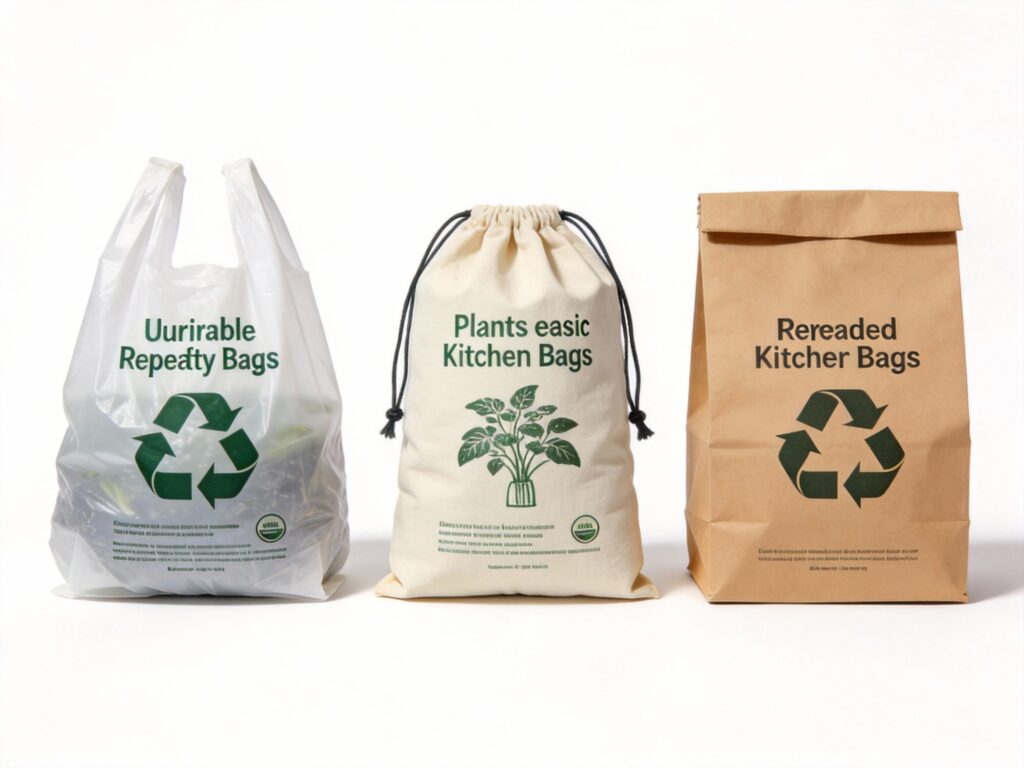
Compost bags aren’t a one-size-fits-all solution; they’re categorized based on material, functionality, and environmental impact. The most common types fall into three main groups: reusable plastic compost bags, compostable bags, and compostable paper bags, each shaped by advances in compost bag manufacture.
Reusable Plastic Compost Bags
A staple for casual composters, reusable plastic compost bags are crafted from tough, durable plastic designed for long-term use. Their rigid construction makes them suitable for both indoor and outdoor use—you can keep one under your kitchen sink for food scraps or stash one in your garden for yard waste. One of their defining features is their low permeability: they don’t easily let air or moisture in or out, which slows down the composting process inside the bag but prevents leaks and odors from escaping. Simple to open and close, these bags are built to withstand repeated use, making them a budget-friendly option for those who want a low-effort composting setup. They’re also ideal for transporting finished compost from your pile to garden beds. Unlike compostable options from compost bag manufacture, these rely on durable plastic for longevity, so they’re best for users who prioritize reusability over full decomposition.
Compostable Bags
The fastest-growing segment in compost bag manufacture, compostable bags are made from renewable, plant-based materials that break down completely in composting environments. The most common formulations combine PLA (polylactic acid, derived from fermented corn starch), PBAT (a biodegradable polyester), and corn starch, creating a durable yet eco-friendly material. Unlike traditional plastic, these bags don’t leave behind microplastics; instead, they decompose into carbon dioxide, water, and biomass at rates comparable to paper.
Compostable bags are further tailored to specific uses, a level of specialization made possible by modern compost bag manufacture:
- Kitchen Compost Bags: Often sold in roll form with drawstrings, these leak-proof, tear-resistant bags are designed to collect food scraps, from fruit peels to coffee grounds. They fit neatly in countertop bins and can be directly added to a home or industrial compost pile.
- Yard Waste Bags: Larger, sturdier compostable bags are made for leaves, grass clippings, and other garden debris, making it easy to transport and compost yard waste without relying on single-use plastic.
- Produce Bags: Thin, clear compostable produce bags are perfect for grocery shopping, allowing you to carry fruits and vegetables while ensuring the bag itself breaks down after use.
It’s important to note that compostable bags require specific conditions to decompose fully: most need industrial composting facilities with controlled temperature and moisture levels, though some certified options (like those meeting ASTM D6400 or EN 13432 standards) can break down in home compost piles within 90 to 180 days. Compost bag manufacture has refined these materials to meet strict certification standards, ensuring they don’t leave harmful residues behind.
Compostable Paper Bags
Made from sustainably sourced, biodegradable paper fibers, compostable paper bags are another eco-friendly option shaped by responsible compost bag manufacture. They’re ideal for collecting dry yard waste like leaves or bulky produce items, and their breathable design can speed up composting by allowing air to circulate. While they’re not as leak-proof as plastic or plant-based compostable bags, they’re a great choice for those who prefer a zero-waste, plastic-free option. However, their production does require more energy and water than plant-based compostable bags, so they’re best used for specific tasks where breathability is a priority.
The Science and Standards of Compost Bag Manufacture
Compost bag manufacture has evolved dramatically in recent years, with a focus on creating products that are both functional and sustainable. For compostable bags, manufacturers rely on a blend of plant-based polymers to balance durability and decomposability. PLA, derived from corn or sugarcane, provides strength, while PBAT adds flexibility, ensuring the bags can hold heavy loads without tearing. Corn starch is often added to enhance compostability, helping the material break down more quickly in microbial-rich compost environments.
To ensure authenticity, reputable compost bag manufacture operations seek third-party certifications that validate their products’ environmental claims. The most widely recognized standards include:
- ASTM D6400: A U.S. standard that certifies bags break down completely in industrial composting facilities within 180 days.
- EN 13432: A European standard requiring bags to decompose into non-toxic components, leaving no visible residue.
- OK Compost HOME: A certification that confirms bags can break down in home compost piles, making them suitable for residential use.
Many compost bag manufacture providers also offer customization options, from custom printing for businesses to drawstring closures for added convenience, ensuring compost bags meet the unique needs of consumers and organizations alike.
The Sustainable Benefits of Choosing the Right Compost Bag
The environmental impact of compost bags goes far beyond just waste reduction, and compost bag manufacture plays a key role in amplifying these benefits. Here’s why choosing the right compost bag matters:
Reducing Landfill Waste
When organic waste like food scraps is sent to landfills, it breaks down anaerobically, producing methane—a greenhouse gas 25 times more potent than carbon dioxide. Compost bags make it easy to separate organic waste, diverting it to compost piles where it can decompose aerobically, producing nutrient-rich soil instead of harmful emissions. Compostable bags from responsible compost bag manufacture don’t contribute to landfill accumulation, as they break down completely, unlike traditional plastic which can take centuries to decompose.
Enriching Soil Health
Finished compost, created with the help of compost bags, is a natural soil amendment. It enriches soil structure, retains moisture, and provides essential nutrients for plants, reducing the need for synthetic fertilizers. Compostable bags break down along with the organic waste, adding their plant-based material to the nutrient mix, while reusable plastic bags can be cleaned and reused repeatedly to support ongoing composting efforts.
Supporting a Circular Economy
Compost bag manufacture, especially for compostable options, relies on renewable resources like corn and sugarcane, which can be regrown annually. This stands in contrast to traditional plastic, which is made from finite fossil fuels. By choosing compostable bags, you’re supporting a circular economy where waste is turned into a valuable resource, rather than a burden on the environment.
Conclusion
Compost bags are more than just a waste management tool—they’re a bridge between daily consumption and sustainable living, with compost bag manufacture driving innovation to make eco-friendly options accessible to all. Whether you opt for a reusable plastic bag for long-term use, a plant-based compostable bag for kitchen scraps, or a paper bag for yard waste, each choice contributes to reducing landfill waste and supporting a healthier planet. As compost bag manufacture continues to innovate, with new materials and certifications emerging, consumers have more options than ever to align their waste habits with their eco-friendly values. By understanding the types, uses, and benefits of compost bags, you can make choices that not only simplify your composting routine but also make a meaningful impact on the environment.
FAQ
Do all compostable bags break down in home compost piles?
No, not all compostable bags are suitable for home composting. Many require the high temperatures and controlled conditions of industrial composting facilities. Look for bags with the OK Compost HOME certification, which is specifically designed to validate that products from compost bag manufacture can decompose fully in home compost environments within 180 days.
How does compost bag manufacture ensure compostable bags are durable enough for daily use?
Modern compost bag manufacture uses blended plant-based materials, typically combining PLA (for strength) and PBAT (for flexibility), to create bags that are tear-resistant and leak-proof while remaining compostable. These formulations are tested to withstand the weight of food scraps and yard waste, ensuring they function as well as traditional plastic bags during use.
Are reusable plastic compost bags a sustainable choice compared to compostable options?
Reusable plastic compost bags can be a sustainable choice if used repeatedly (ideally 50+ times) to offset their plastic production footprint. However, compostable bags from responsible compost bag manufacture are a better long-term option for those who prioritize eliminating plastic waste entirely, as they break down completely without leaving microplastics in the environment. The best choice depends on your composting habits and sustainability goals.