
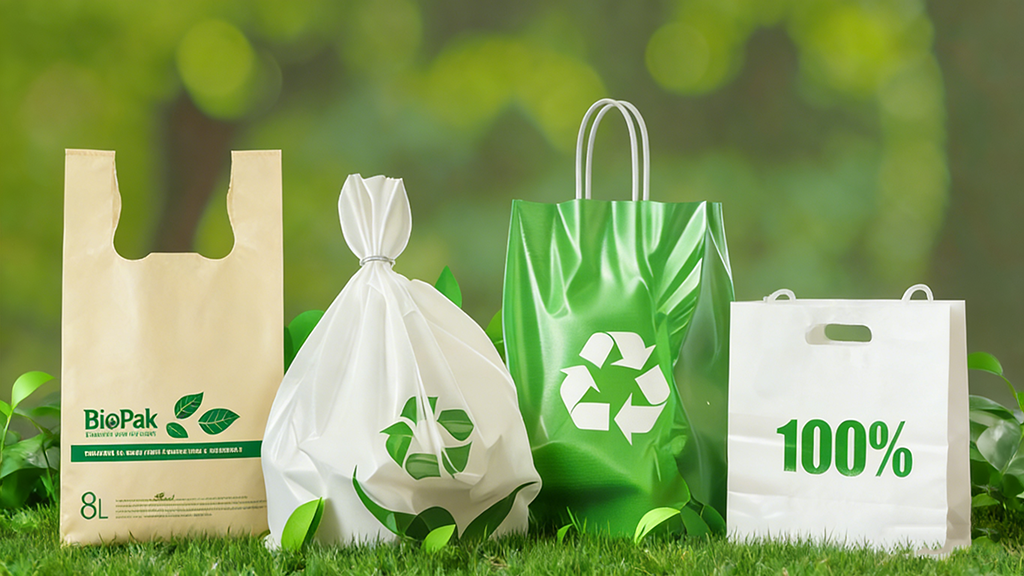
Plastic has long been hailed as one of the 20th century’s most transformative inventions, prized for its light weight, durability, corrosion resistance, and low cost. Yet its widespread use has come at a steep environmental cost: petroleum-based plastics persist in ecosystems for centuries, clog landfills, pollute oceans, and break down into microplastics that infiltrate the food chain. In response, governments and industries worldwide are turning to bioplastics as a sustainable solution. China, for example, has issued official guidelines promoting bioplastic alternatives like degradable packaging, shopping bags, and plant-based food containers to curb plastic waste. But what exactly is bioplastic, and how does it differ from other eco-friendly plastic terms?
Key Takeaways
- Bioplastics are an umbrella category of plastics made from renewable biological sources, biodegradable, or both, offering a sustainable alternative to fossil fuel-based plastics.
- Critical distinctions exist between bioplastic vs biodegradable plastic: not all bioplastics are biodegradable, and not all biodegradable plastics are biobased.
- Popular bioplastic options include bioplastic made from corn (like PLA) and bioplastic polyhydroxyalkanoate PHA, each with unique properties, costs, and end-of-life requirements like bioplastic industrial composting.
Demystifying Bioplastics: Definitions, Types, and Core Differences
Bioplastics are a broad, versatile category of plastics defined by their connection to biological sources, biodegradability, or both. Unlike traditional petroleum-based plastics, which rely on finite fossil fuels, bioplastics draw from renewable resources like plants, microbes, or agricultural waste. This category splits into two key sub-groups: biobased plastics (made from renewable raw materials) and biodegradable plastics (able to break down naturally into non-toxic components).
A common source of confusion is bioplastic vs biodegradable plastic: not all bioplastics check both boxes. Some are biobased but non-biodegradable, such as biobased polyethylene (PE) or PET, which are chemically identical to petroleum versions but made from plant-based ethanol. Others are biodegradable but derived from fossil fuels, like polybutylene adipate terephthalate (PBAT). The most sustainable bioplastics are both biobased and biodegradable, including polylactic acid (PLA), polybutylene succinate (PBS), and bioplastic polyhydroxyalkanoate PHA.
Understanding bioplastic vs biodegradable plastic is critical for waste management: non-biodegradable bioplastics must be recycled like traditional plastics, while truly biodegradable options require specific conditions, often bioplastic industrial composting, to break down fully.
Bioplastic Cost Comparison: Balancing Sustainability and Affordability
One of the biggest barriers to widespread bioplastic adoption is cost, making bioplastic cost comparison essential for businesses and consumers. Traditional plastics benefit from decades of scaled production and cheap fossil fuel inputs, while many bioplastics remain more expensive to manufacture.
Take bioplastic polyhydroxyalkanoate PHA, for example. Produced via microbial fermentation, this high-performance bioplastic has current production costs that limit it to high-value applications like medical devices, where it holds just 2% of the global biodegradable plastic market. In contrast, bioplastic made from corn (PLA) has seen widespread use in single-use items like utensils and packaging, thanks to lower production costs driven by scaled manufacturing of corn starch feedstocks. Blended bioplastics, such as starch mixed with PBAT, offer a budget-friendly middle ground, combining biodegradability with a lower price point than pure biobased options.
As demand grows and production technologies improve—such as synthetic biology advancements that boost microbial bioplastic polyhydroxyalkanoate PHA yields—industry experts predict bioplastic costs will fall, making them more competitive with traditional plastics. This shift will make sustainable options like bioplastic made from corn and bioplastic polyhydroxyalkanoate PHA more accessible for everyday use.
Bioplastic Made From Corn and Bioplastic Industrial Composting: A Deep Dive
Bioplastic made from corn is one of the most widely used renewable feedstock options, primarily for producing PLA. The process starts with milling corn to extract starch, which is fermented into lactic acid and then polymerized into PLA—a rigid, transparent bioplastic that mimics the properties of petroleum-based polystyrene.
Bioplastic made from corn offers significant environmental benefits: it reduces reliance on fossil fuels and can cut greenhouse gas emissions by up to 68% compared to traditional plastics, according to independent studies. However, it has limitations: PLA requires bioplastic industrial composting to break down fully, as it needs sustained temperatures of 55–70°C, high humidity, and specialized microbial communities—conditions not available in home compost piles or natural environments.
In contrast, bioplastic polyhydroxyalkanoate PHA is more flexible in its end-of-life options. While it thrives in bioplastic industrial composting (breaking down completely into nutrient-rich matter within months), it can also biodegrade in soil, freshwater, and saltwater, making it suitable for environments without industrial composting infrastructure. This versatility makes bioplastic polyhydroxyalkanoate PHA a standout choice for applications like agricultural mulch and ocean-safe packaging.
FAQ
Q: Are all bioplastics biodegradable?
A: No—this is a common misconception tied to bioplastic vs biodegradable plastic. Some bioplastics are biobased but non-biodegradable (like biobased PE), while others are biodegradable but made from fossil fuels. Only a subset of bioplastics, such as PLA and bioplastic polyhydroxyalkanoate PHA, are both biobased and biodegradable.
Q: How does bioplastic cost comparison stack up to traditional plastics?
A: Currently, most bioplastics are more expensive than traditional petroleum-based plastics due to smaller production scales and higher feedstock or processing costs. Bioplastic made from corn (PLA) is one of the most affordable options, while bioplastic polyhydroxyalkanoate PHA remains pricier for now. However, as production scales and technology improves, bioplastic costs are expected to drop to match or undercut traditional plastics.
Q: Can bioplastics break down in home compost, or do they need bioplastic industrial composting?
A: It depends on the type. Bioplastic made from corn (PLA) requires bioplastic industrial composting with high heat and specialized microbes to break down fully. In contrast, bioplastic polyhydroxyalkanoate PHA can biodegrade in home compost piles over time, though more slowly than in industrial facilities. Always check the product label to confirm end-of-life requirements.
Bioplastics currently make up less than 1% of global plastic production, but the market is growing rapidly as consumers and regulators demand sustainable solutions. From bioplastic made from corn to bioplastic polyhydroxyalkanoate PHA, these materials represent a shift toward a more circular economy. By understanding bioplastic vs biodegradable plastic, bioplastic cost comparison, and the role of bioplastic industrial composting, we can make informed choices that reduce plastic waste without sacrificing convenience. As technology advances, bioplastics will become an increasingly critical tool in the fight against plastic pollution.