
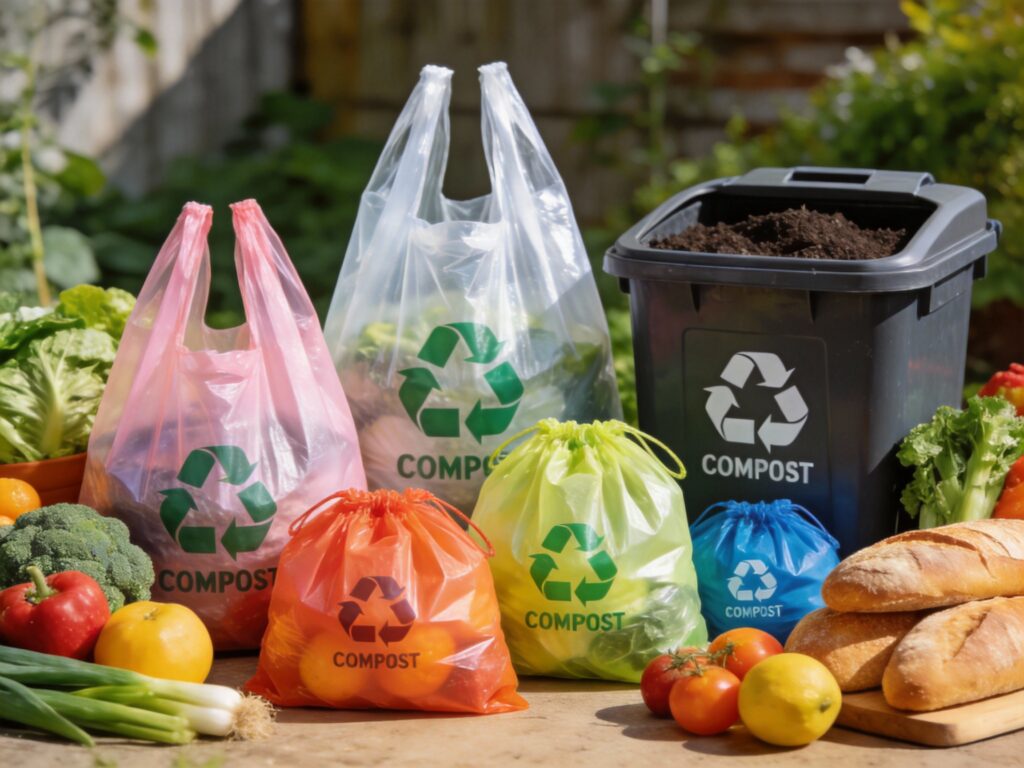
If you’re tired of choosing between convenience and sustainability during grocery runs, a compost shopping bag might be the perfect solution. Single-use plastic bags clog landfills, harm wildlife, and take centuries to break down, while reusable cloth bags can be bulky and hard to keep clean. A compost shopping bag bridges this gap: it’s lightweight, durable enough for a week’s groceries, and designed to decompose naturally in industrial or home compost systems. As more consumers prioritize eco-friendly choices, the demand for high-quality compost shopping bag options has skyrocketed. In this guide, we’ll break down the best picks, what to look for when buying, and how to make the most of these sustainable essentials.
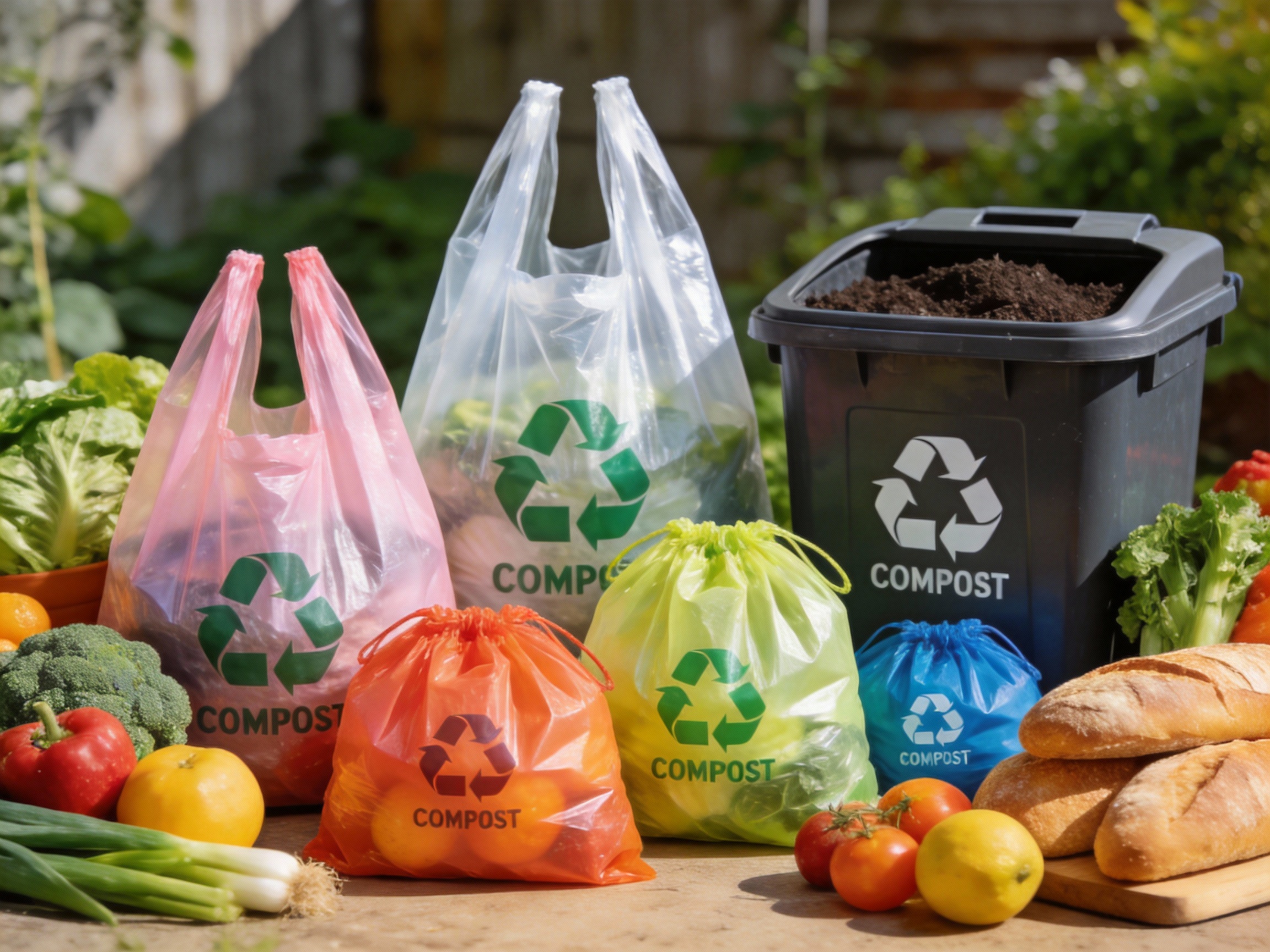
What Makes a Compost Shopping Bag Truly Eco-Friendly?
Not every bag labeled “compostable” lives up to its claims, so it’s crucial to know what to look for in a reliable compost shopping bag. First, check for certifications: the EN13432 or BPI (Biodegradable Products Institute) seal ensures the compost shopping bag will break down completely in a commercial compost facility within 180 days, leaving no toxic residue. Home-compostable options are also available, but they require specific temperature and moisture conditions to decompose properly.
Material matters too. The best compost shopping bag products are made from plant-based materials like cornstarch, PLA (polylactic acid), or PBAT (a biodegradable polyester blend). These materials are renewable, unlike plastic derived from fossil fuels. Avoid compost shopping bag options that contain even small amounts of plastic, as these will leave microplastics in the soil.
A good compost shopping bag should also offer practical durability: aim for a bag that holds at least 20 pounds of groceries, with reinforced handles to prevent tearing. Some compost shopping bag designs even feature gusseted bottoms, making them sturdier for bulky items like watermelons or detergent bottles. Finally, confirm end-of-life options: a true compost shopping bag should be accepted at local compost drop-off centers, or break down in your backyard pile if certified home-compostable.
Top Compost Shopping Bag Picks for Every Need
Whether you’re heading to a farmers’ market, big-box grocery store, or boutique, there’s a compost shopping bag that fits your lifestyle. For frequent shoppers, the BioBag 100% Certified Compostable Shopping Bags are a top choice. This compost shopping bag comes in a pack of 500, with a 20-pound capacity and large size perfect for bulk buys. Certified by BPI, it decomposes completely in commercial compost facilities, making it a reliable option for eco-conscious consumers.
If you prefer produce-specific solutions, the Biobag Compact Roll Produce Compost Bag is a standout. Made in the USA, this compost shopping bag comes in a 1500-count roll and is sized perfectly for fruits, vegetables, and bulk grains. Its thin yet durable design avoids unnecessary bulk, and as a compost shopping bag, it can be tossed directly into your compost bin with food scraps, eliminating the need to transfer produce to a separate container.
For those who want reusable convenience with compostable benefits, look for a compost shopping bag designed for multiple uses before composting. Some compost shopping bag products are thick enough to be reused 10-15 times, reducing waste even further. Prioritize options with reinforced stitching and water-resistant plant-based materials to stand up to repeated use.
How to Care for and Dispose of Your Compost Shopping Bag
To get the most out of your compost shopping bag, proper care is key. Most compost shopping bag options can be wiped clean with a damp cloth if dirty, but avoid machine washing unless the manufacturer explicitly approves it. Harsh detergents or high heat can break down the plant-based materials in the compost shopping bag, shortening its lifespan.
If reusing your compost shopping bag, store it in a cool, dry place to prevent mold or mildew growth. Many compost shopping bag designs come on compact rolls, making them easy to stow in your car, purse, or backpack for impromptu trips. When your compost shopping bag finally wears out—from tears or general use—it’s time to compost it.
For commercial compost access, simply toss the entire compost shopping bag in your bin. For home composting, cut the compost shopping bag into small pieces to speed up decomposition, and keep your pile warm and moist to support the process. Never recycle a compost shopping bag with plastic bags, as plant-based materials melt at different temperatures and can contaminate the recycling stream. Always check local waste guidelines for proper disposal.
Making the switch to a compost shopping bag is a small but impactful way to reduce your carbon footprint. By choosing a high-quality compost shopping bag, you can enjoy single-use convenience without environmental guilt. Whether you opt for a bulk pack of compost shopping bag options for weekly groceries or a produce-specific compost shopping bag for farmers’ market trips, every choice moves us toward a more sustainable future.
FAQ
Q: Can I use a compost shopping bag for hot food or liquids?
A: Most compost shopping bag products are not designed for hot food or liquids, as high temperatures can break down plant-based materials prematurely. Stick to using your compost shopping bag for dry groceries, produce, or room-temperature items. If you need a bag for hot items, look for compost shopping bag options specifically labeled as heat-resistant.
Q: How long does a compost shopping bag take to decompose?
A: In a commercial compost facility, a certified compost shopping bag will decompose completely within 180 days. Home composting can take longer—up to a year—depending on your pile’s temperature and moisture levels. Always check the compost shopping bag’s label for specific timelines.
Q: Are compost shopping bag options more expensive than plastic bags?
A: While a compost shopping bag may cost more upfront than single-use plastic bags, bulk purchases often make them cheaper than reusable cloth bags. Many grocery stores now charge for plastic bags, so investing in a compost shopping bag can save you money over time. Plus, the environmental benefits of using a compost shopping bag far outweigh the small cost difference.