
Poly bags—short for polyethylene bags—are a ubiquitous packaging solution, prized across industries from food service and agriculture to e-commerce and manufacturing for their affordability, durability, and versatility. But behind their simple appearance lies a precise manufacturing process tailored to different types, materials, and intended uses. From low-density options designed for flexibility to heavy-duty polypropylene bags built for repeated use, each variety follows a unique production journey. Let’s break down how these essential packaging products are made, exploring key types like vented, wholesale, low-density, and polypropylene bags along the way, including details on how durable poly bags are made, how vented poly bags are made, how wholesale poly bags are made, how low-density poly bags are made, and how polypropylene bags are made.
Key Takeaways
- Material specificity drives production: Each poly bag type relies on tailored raw materials, from low-density polyethylene (LDPE) for flexible retail bags to polypropylene (PP) for heavy-duty reusable options, directly shaping their manufacturing steps.
- Customization happens early: Specialized features like perforations for vented bags or blended resins for wholesale orders are integrated during or right after the core extrusion process, ensuring functionality aligns with end-use needs.
- Quality control is non-negotiable: Every batch, from high-volume wholesale runs to specialized polypropylene bags, undergoes rigorous testing to meet safety, durability, and industry standards before reaching customers.
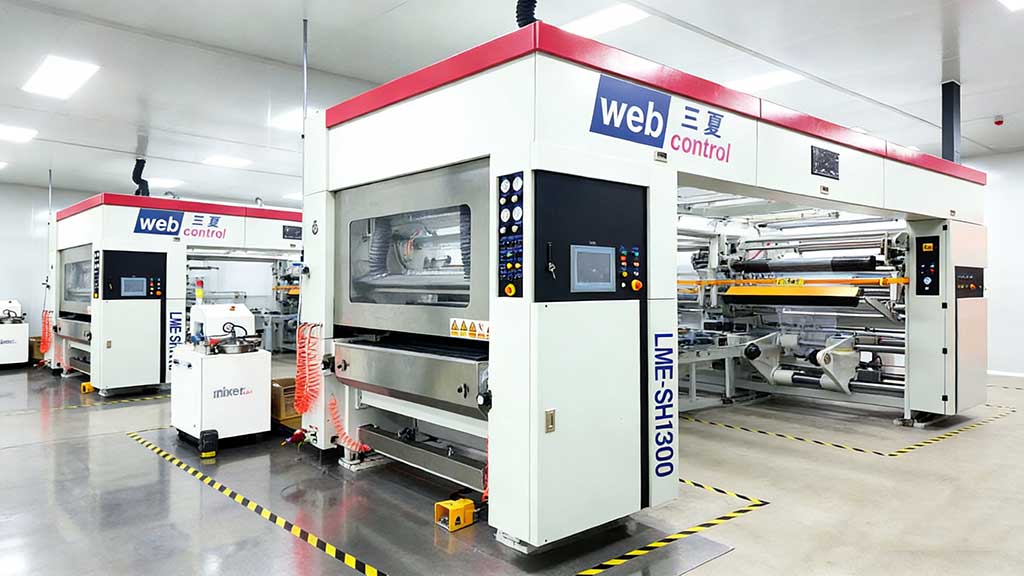
Raw Material Selection: The Building Block of Every Poly Bag
Nearly all poly bags start with polymer resins, small cylindrical pellets that form the base of plastic films. The most common material is polyethylene, available in several grades: low-density polyethylene (LDPE), linear low-density polyethylene (LLDPE), and high-density polyethylene (HDPE). For specialized bags, polypropylene (PP) is another popular choice, valued for its strength and reusability.
When exploring how low-density poly bags are made, LDPE is the non-negotiable starting point. Known for its softness, flexibility, and puncture resistance, LDPE is ideal for retail merchandise bags, food storage pouches, and furniture covers. It boasts high chemical resistance, making it safe for food contact and suitable for industries where exposure to moisture or mild chemicals is a concern.
For how wholesale poly bags are made, manufacturers typically use a blend of LDPE and LLDPE to balance durability and cost-effectiveness. Produced in massive volumes for businesses, these bags need to withstand shipping, stacking, and frequent handling without breaking the bank. The resin blend ensures they are tough enough to protect products during transit while remaining affordable for bulk orders, a key priority for wholesale buyers.
Polypropylene, the star of how polypropylene bags are made, is a stiffer, more heat-resistant resin chosen for heavy-duty, reusable applications. Unlike polyethylene, it offers superior tensile strength and can withstand repeated use, making it perfect for industrial storage, agricultural grain bags, and construction material packaging.
Extrusion and Customization: Turning Pellets into Specialized Films
Once raw materials are selected, the extrusion process transforms resin pellets into the film or fabric that becomes the bag. This is where the unique steps for each bag type begin to take shape.
Core Extrusion for Standard and Low-Density Bags
For most poly bags, including low-density and wholesale options, blown film extrusion is the primary method. Resin pellets are loaded into a hopper, fed into a heated extruder (set between 300–500°F), and melted into a liquid plastic. The molten plastic is forced through a circular die, forming a continuous tube of polymer. Air is blown into the tube, inflating it into a large, thin bubble that stretches the plastic to the desired thickness (measured in mils, where 1 mil = 0.001 inches). Lightweight low-density bags may be 1 mil thick, while sturdier wholesale bags often range from 1.5–2 mils. The bubble is then cooled with air or water, flattened by rollers, and wound onto large rolls of film ready for cutting and sealing.
Specialized Processes for Custom Bag Types
When learning how vented poly bags are made, the extrusion process is identical to standard poly bags, but a critical post-extrusion step is added: controlled perforation. After the film is flattened, it runs through a precision machine that creates tiny, evenly spaced pinholes across its surface. These holes are sized to allow airflow while still blocking contaminants, making vented bags ideal for produce storage (to reduce condensation and extend shelf life) and food service (to prevent sealed containers from ballooning with trapped gases).
For how durable poly bags are made, manufacturers prioritize enhanced strength from the start. This may involve using thicker film (2–4 mils) or a blend of LDPE and LLDPE, which adds tensile resistance without sacrificing flexibility. Some durable bags, like wicketed options used in automated packaging lines, also receive reinforced seals. High-heat machines create uniform, heavy-duty bonds along edges, and many use side welds instead of bottom welds to distribute weight evenly, reducing the risk of splitting when holding heavy items like construction materials or industrial parts.
The process for how polypropylene bags are made diverges significantly from polyethylene bags. Instead of blown film extrusion, polypropylene pellets are melted and extruded into thin, continuous strands. These strands are woven horizontally and vertically to create a tight-knit, fabric-like material that is far more tear-resistant than standard poly film. The woven fabric is then cut to size, and edges are sealed with heat or heavy-duty stitching. Many polypropylene bags are also laminated with a thin plastic film to add water resistance, making them suitable for outdoor storage or transporting moisture-sensitive goods.
Cutting, Sealing, and Finishing: Bringing Poly Bags to Final Form
After extrusion and any specialized treatments (like perforation or weaving), the film or woven fabric is transformed into individual bags. For most polyethylene bags, including low-density, wholesale, and vented options, the flat film is fed through a machine that cuts it to the desired length and seals one end, forming a pouch. The open end can be left as-is for easy access, or fitted with closures like zippers, adhesive strips, or twist ties for added convenience.
Wholesale poly bags often include additional customizations to meet business needs. Before cutting, manufacturers use flexographic printing to add branding, suffocation warnings, product information, or barcodes directly onto the film— a cost-effective step for high-volume runs. Wicketed wholesale bags are stacked and threaded onto metal or plastic wickets, which hold the bags open for quick, automated filling and sealing, a critical feature for e-commerce fulfillment centers and food processing plants.
For polypropylene bags, the woven fabric is cut to size, and edges are sealed with heat or stitching to prevent fraying. Some heavy-duty polypropylene bags also feature reinforced handles, either stitched on or molded into the fabric, to make carrying heavy loads easier. Every bag, regardless of type, undergoes a final inspection to check for defects like uneven seals, missed perforations, or thin spots in the film that could compromise performance.
FAQ
Q: Are poly bags, including polypropylene and low-density options, recyclable?
A: Yes, most poly bags are recyclable, but it depends on the material. LDPE and HDPE bags (used for low-density and wholesale options) can be recycled at most grocery store drop-off locations, while polypropylene bags may require specialized recycling facilities. Many manufacturers now offer eco-friendly options made from post-consumer recycled resin, reducing their environmental footprint.
Q: What factors determine the cost of wholesale poly bags?
A: The cost of wholesale poly bags depends on three key factors: raw material type (blended resins are more affordable than pure LDPE), thickness (thicker film increases cost), and customizations (printing, wickets, or reinforced seals add to production expenses). Order volume also plays a role—larger bulk orders typically have lower per-unit costs.
Q: Can vented poly bags be used for non-produce applications?
A: Absolutely. While vented poly bags are widely used in agriculture for produce, they are also ideal for packaging items that need airflow to prevent mold or mildew, like fresh flowers, bulk textiles, or even sports equipment. The precise perforation size can be customized to match the specific airflow needs of the product being packaged.
From the initial resin selection to the final quality check, the manufacturing of poly bags is a blend of precision engineering and targeted customization. Whether you’re curious about how low-density poly bags are made for retail use, how durable poly bags are made for industrial shipping, how vented poly bags are made for produce storage, how wholesale poly bags are made for bulk business needs, or how polypropylene bags are made for heavy-duty reuse, each type is crafted to meet specific functional requirements. As businesses and consumers continue to rely on poly bags for their cost-effectiveness and versatility, manufacturers will keep refining these processes to balance performance with sustainability, ensuring these essential packaging solutions remain a staple for years to come.