

As global demand for sustainable packaging surges, post-consumer recycled (PCR) PE bags have emerged as a leading solution for brands aiming to reduce their environmental footprint while complying with strict international regulations. At the core of their credibility are two pivotal certifications: the Global Recycled Standard (GRS) and Europe’s EN15343:2008. These frameworks ensure GRS certified post-consumer recycled PE bags and EN15343 certified PE bags plastic tax-eligible products deliver on their eco-friendly promises, from transparent supply chains to verifiable recycled content.
Key Takeaways
- GRS certified post-consumer recycled PE bags require a minimum 20% recycled content, global supply chain traceability, and social responsibility audits, while EN15343 certified PE bags plastic tax compliance mandates regional European traceability and recycled content verification for market access and tax relief.
- A post-consumer recycled PE bags TC certificate is a critical component of GRS certification, tracking recycled materials through every supply chain stage to validate authenticity and support tax incentives.
- 30% recycled PE bags GRS EN15343 and EN15343 certified 100% recycled PE bags offer dual compliance, meeting both global sustainability standards and European regulatory requirements to unlock market access and consumer trust.
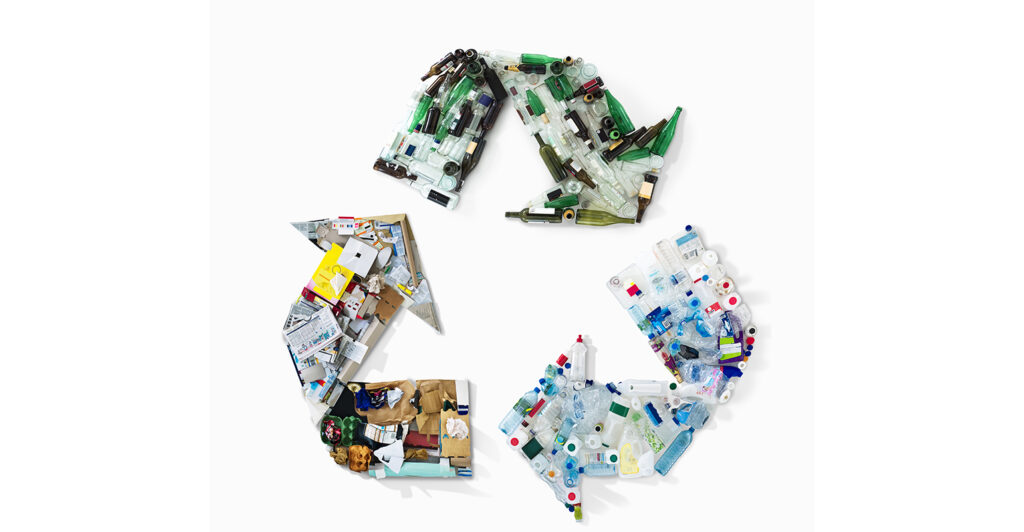
First, it’s critical to define what makes a PE bag a true post-consumer recycled product. PCR PE bags are crafted from plastic waste that has served its original purpose—think used food containers, discarded shampoo bottles, or retired industrial packaging collected from households, businesses, or logistics return chains. This waste undergoes rigorous sorting, cleaning, pelletizing, and film-blowing processes to transform it into functional, high-quality packaging, diverting plastic from landfills and reducing reliance on virgin petroleum-based materials. Products like 30% recycled PE bags GRS EN15343 and EN15343 certified 100% recycled PE bags start with this verified post-consumer feedstock to ensure compliance.
Meeting EN15343 Standards for EN15343 Certified PE Bags Plastic Tax Compliance
EN15343:2008 is a mandatory European standard established by CEN/CENELEC, governing 32 European countries including the UK, Germany, and France. Its primary focus is ensuring full traceability of recycled plastic throughout the supply chain, accurate verification of recycled content, and adherence to responsible recycling practices. For PCR PE bags to earn this certification, manufacturers must implement robust systems to track every step of the recycling process, from waste collection to final bag production. This traceability allows for precise calculation of recycled content, a key requirement for brands looking to validate their sustainability claims and qualify for EN15343 certified PE bags plastic tax exemptions.
Beyond traceability, EN15343 emphasizes that recycling must use the same plastic type—ensuring PE waste is recycled into PE bags, preserving material integrity. The standard also prioritizes minimizing environmental harm, requiring processes that reduce air, water, and soil pollution, as well as protect human health. For businesses targeting Europe, EN15343 certification is more than a badge of honor: it’s a gateway to the market, enabling access to tax incentives and exemptions from plastic taxes. For example, Spain’s 2024 plastic tax regulations explicitly recognize EN15343 certified PE bags plastic tax eligibility, as the certification provides government-verified proof of recycled content. This is especially critical for products like EN15343 certified 100% recycled PE bags, which qualify for maximum tax relief due to their full recycled content.
Aligning with GRS Certification for GRS Certified Post-Consumer Recycled PE Bags
The Global Recycled Standard (GRS) is a voluntary, international certification that sets a holistic benchmark for recycled products, adopted by global giants like Zara, Nike, and IKEA. Unlike EN15343’s regional focus, GRS is recognized worldwide, making it essential for brands operating across borders. To meet GRS standards, GRS certified post-consumer recycled PE bags must contain a minimum of 20% recycled content, with options ranging from 30% recycled PE bags GRS EN15343 to EN15343 certified 100% recycled PE bags to suit different brand needs.
GRS goes beyond content verification, mandating strict oversight of the entire supply chain. This includes social responsibility audits to ensure fair labor practices, environmental management systems to control waste and emissions, and restrictions on harmful chemicals like heavy metals and azo dyes. A key component of GRS certification is the post-consumer recycled PE bags TC certificate, a document that tracks recycled materials through each stage of production and distribution. This certificate not only validates the authenticity of recycled content in GRS certified post-consumer recycled PE bags but also helps businesses qualify for plastic tax reductions in regions like the EU, complementing EN15343 certified PE bags plastic tax benefits. For example, a brand using 30% recycled PE bags GRS EN15343 can present both the GRS TC and EN15343 documentation to prove compliance and secure tax relief in multiple markets.
Dual Certification: 30% Recycled PE Bags GRS EN15343 and Beyond for Maximum Impact
Many leading packaging manufacturers, such as Dongguan Sun Pak Packing Product Ltd. and Xiamen Jiezhe Packaging, offer PCR PE bags certified to both GRS and EN15343 standards, including 30% recycled PE bags GRS EN15343 and EN15343 certified 100% recycled PE bags. This dual certification creates a powerful value proposition: it satisfies European regulatory requirements for EN15343 certified PE bags plastic tax eligibility while appealing to global consumers and brands prioritizing comprehensive sustainability through GRS certified post-consumer recycled PE bags.
These certified bags don’t compromise on performance. Advanced processing techniques, including melt filtration and compatibilizer additives, ensure GRS certified post-consumer recycled PE bags and EN15343 certified 100% recycled PE bags match the strength, durability, and clarity of virgin PE alternatives. For example, 30% recycled PE bags GRS EN15343 can achieve tensile strengths of 28–32 MPa, comparable to virgin PE, making them suitable for applications from clothing packaging to food storage. They also meet strict safety standards, with food-grade options passing FDA and EN 13432 odor tests, ensuring no harmful residues. Every batch of these bags is supported by a post-consumer recycled PE bags TC certificate for GRS compliance and EN15343 traceability documentation to confirm eligibility for EN15343 certified PE bags plastic tax benefits.
FAQ
Q: How does a post-consumer recycled PE bags TC certificate support compliance with both GRS and EN15343?
A: A post-consumer recycled PE bags TC certificate is a mandatory document for GRS certified post-consumer recycled PE bags, tracking recycled materials through each supply chain stage to verify content authenticity. While EN15343 does not require a TC specifically, the traceability data in the certificate can be used to supplement EN15343’s supply chain documentation, streamlining compliance for dual-certified products like 30% recycled PE bags GRS EN15343 and supporting EN15343 certified PE bags plastic tax eligibility.
Q: Can EN15343 certified 100% recycled PE bags be used for food packaging?
A: Yes, EN15343 certified 100% recycled PE bags can be manufactured to meet food safety standards. EN15343 requires recycling processes that eliminate contaminants, and many manufacturers add additional testing (such as FDA and EN 13432 compliance) to ensure these bags are safe for direct food contact. When paired with GRS certification, these bags also offer the global credibility of GRS certified post-consumer recycled PE bags.
Q: What’s the difference between 30% recycled PE bags GRS EN15343 and 100% recycled options for tax purposes?
A: EN15343 certified PE bags plastic tax benefits are tied to the percentage of recycled content. EN15343 certified 100% recycled PE bags typically qualify for the highest tax exemptions, while 30% recycled PE bags GRS EN15343 still qualify for partial relief. GRS certification adds global validity, allowing brands to leverage these tax benefits in non-European regions that recognize GRS, making dual-certified products a flexible solution for international operations.
In conclusion, GRS and EN15343 certifications are the backbone of trustworthy post-consumer recycled PE bags. They ensure transparency, verify recycled content, and hold manufacturers accountable to environmental and social standards. For businesses looking to embrace sustainability, meet global regulations, and connect with eco-conscious consumers, choosing products like GRS certified post-consumer recycled PE bags, 30% recycled PE bags GRS EN15343, and EN15343 certified 100% recycled PE bags—supported by a post-consumer recycled PE bags TC certificate and eligible for EN15343 certified PE bags plastic tax relief—is a strategic and responsible choice that benefits both the planet and the bottom line.