
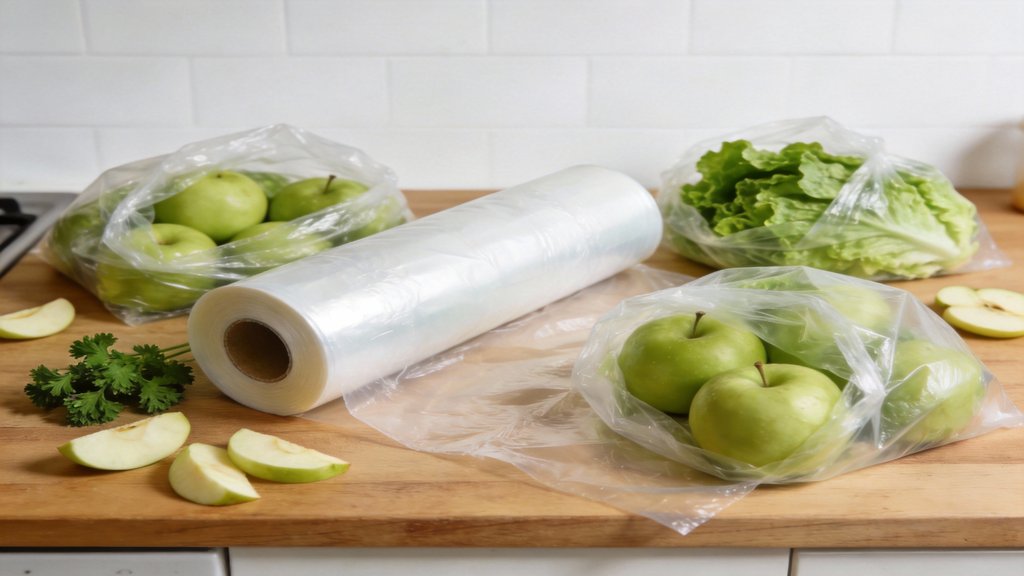
Walk through any grocery store produce section, and you’ll likely reach for a thin, clear disposable PE produce bag on roll to bag apples, lettuce, or potatoes. These lightweight, easy tear PE produce bag on roll options are a staple of modern food shopping, offering convenience for both shoppers and retailers. But as environmental awareness grows, many consumers are asking: what happens to these bags after use? Can rolled PE plastic produce bags for food packing be recycled, composted, or do they just end up in landfills? Let’s break down the facts, including safety considerations, recycling potential, and compostable alternatives.
Key Takeaways
- disposable PE produce bag on roll and PE food packing bag on roll products are food-safe when made from virgin, food-grade polyethylene, though caution is needed with high-heat or high-fat foods; specialized oven safe PE food bag on roll options exist for limited high-temperature use.
- recyclable PE produce bag on roll and standard rolled PE produce bags can be recycled, but they require drop-off at dedicated plastic film recycling locations (not curbside bins) and must be clean and dry to avoid contamination.
- Standard PE produce bags are not compostable, but certified plant-based compostable alternatives are available, while “biodegradable” PE blends often break down into microplastics rather than natural materials.
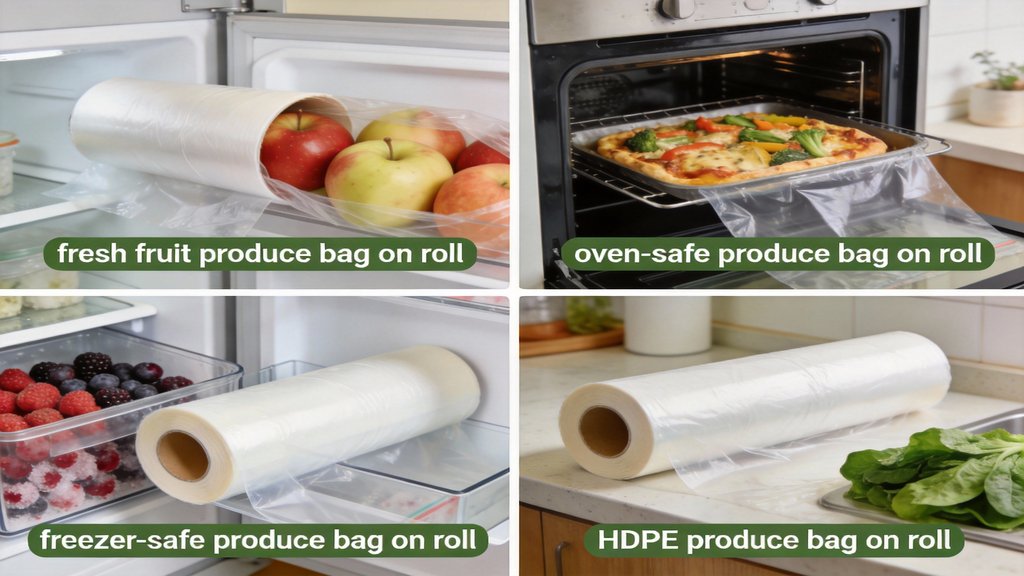
Food Safety of PE Food Packing Bag on Roll Products
Before diving into end-of-life options, it’s critical to confirm that polyethylene (PE) is a safe material for food contact. PE is widely recognized as food-safe by the FDA and USDA, approved for direct contact with food due to its non-toxic, odorless, and tasteless properties. This makes it a top choice for disposable PE produce bag on roll products, freezer storage bags, and other food packaging solutions.
However, not all PE food packing bag on roll options are created equal. Avoid using bags made from recycled or colored materials for food packing, as these may contain contaminants from previous uses, such as residual chemicals or dyes. Additionally, while food-grade PE is safe for cold or room-temperature items like fruits, vegetables, or baked goods, it’s best to avoid using standard disposable PE produce bag on roll products for hot, high-fat foods like fried chicken or hot soup. Heat can cause trace chemicals to migrate into the food, posing potential health risks.
For those seeking extra reassurance for limited high-temperature use, some manufacturers offer oven safe PE food bag on roll options. These specialized bags are designed to withstand low to moderate oven temperatures (typically up to 350°F/175°C) for short periods, making them suitable for tasks like roasting vegetables or reheating leftovers. That said, oven safe PE food bag on roll products are less common for standard produce use, as most shoppers prioritize the convenience of easy tear PE produce bag on roll options for everyday grocery trips.
Recycling Potential for Recyclable PE Produce Bag on Roll and Standard PE Bags
PE is one of the most widely recycled plastics globally, with low-density polyethylene (LDPE)—the material most often used for thin disposable PE produce bag on roll products—boasting a 100% conversion rate when processed correctly. In South Africa alone, nearly 120,000 tonnes of LDPE were recycled in 2018, with recycled material repurposed into bin liners, construction film, furniture covers, and even new PE food packing bag on roll products.
Despite this potential, recycling rolled PE produce bags is not as straightforward as tossing them in your curbside bin. Most curbside recycling programs do not accept thin plastic bags like easy tear PE produce bag on roll options, as they can jam sorting machinery, slowing down operations and damaging equipment. Instead, these bags need to be taken to dedicated plastic film recycling locations, often found at grocery stores or big-box retailers. Look for bins labeled for plastic film recycling, which typically accept disposable PE produce bag on roll products, bread bags, and plastic wrap.
To ensure successful recycling, it’s crucial to prepare the bags properly. They must be clean and dry—any food residue, like leftover fruit juice or vegetable dirt, can contaminate the entire batch of recycled plastic, rendering it unrecyclable. Some manufacturers now offer recyclable PE produce bag on roll options, designed to meet specific recycling standards and make it easier for consumers to dispose of them responsibly. These recyclable PE produce bag on roll products are often labeled with clear recycling instructions, helping shoppers navigate the process with confidence.
Compostability: Can PE Produce Bags Break Down Naturally?
Standard disposable PE produce bag on roll products are not compostable. Polyethylene is a synthetic polymer that does not break down in natural environments, even over decades. When placed in compost piles or landfills, standard PE bags can persist for hundreds of years, contributing to plastic waste accumulation.
That said, there are compostable alternatives on the market that mimic the convenience of easy tear PE produce bag on roll options. These bags are made from plant-based materials like PLA (polylactic acid), PBAT (polybutylene adipate terephthalate), or cornstarch, and are certified to meet international standards like EN13432 or ASTM D6400. When processed in industrial composting facilities, these bags break down into nutrient-rich soil within 180 days. Some even meet home composting standards, allowing them to decompose in backyard compost piles without leaving behind harmful residues.
It’s important to note that not all “biodegradable” PE bags are truly compostable. Some products are labeled as biodegradable but are actually made from starch-modified PE, a type of destructive biodegradable plastic. These bags break down into smaller microplastics over time, rather than fully decomposing into natural materials, which can still harm ecosystems and wildlife. For true compostability, always look for bags with third-party certifications like BPI (Biodegradable Products Institute) or Din Certco, which verify that the bags break down completely into non-toxic components.
FAQ
Q: Can I put my disposable PE produce bag on roll in the curbside recycling bin?
A: No, most curbside recycling programs do not accept thin plastic bags like disposable PE produce bag on roll products, as they can jam sorting machinery. Instead, take clean, dry bags to dedicated plastic film recycling locations, often found at grocery stores or big-box retailers.
Q: Are oven safe PE food bag on roll products safe for all oven uses?
A: oven safe PE food bag on roll products are designed for low to moderate oven temperatures (typically up to 350°F/175°C) for short periods. Avoid using them for high-heat cooking like broiling, and always follow the manufacturer’s instructions to minimize the risk of chemical migration into food.
Q: What’s the difference between a recyclable PE produce bag on roll and a compostable alternative?
A: A recyclable PE produce bag on roll is made from PE that can be processed into new plastic products at dedicated facilities, while compostable alternatives are made from plant-based materials that break down into nutrient-rich soil in industrial or home composting environments. Standard PE bags cannot be composted, so compostable alternatives are a better choice for those looking to avoid plastic waste entirely.
In conclusion, disposable PE produce bag on roll and PE food packing bag on roll products can be recycled, but they require proper sorting and drop-off at dedicated facilities. Standard PE bags are not compostable, but certified plant-based compostable alternatives are widely available, offering a convenient alternative to easy tear PE produce bag on roll options. By understanding the difference between recyclable PE produce bag on roll products, compostable alternatives, and standard PE bags, consumers can make more informed choices that reduce their environmental impact. Whether you choose to recycle your PE bags, switch to compostable options, or invest in reusable bags, every small step helps create a more sustainable food packaging system.