
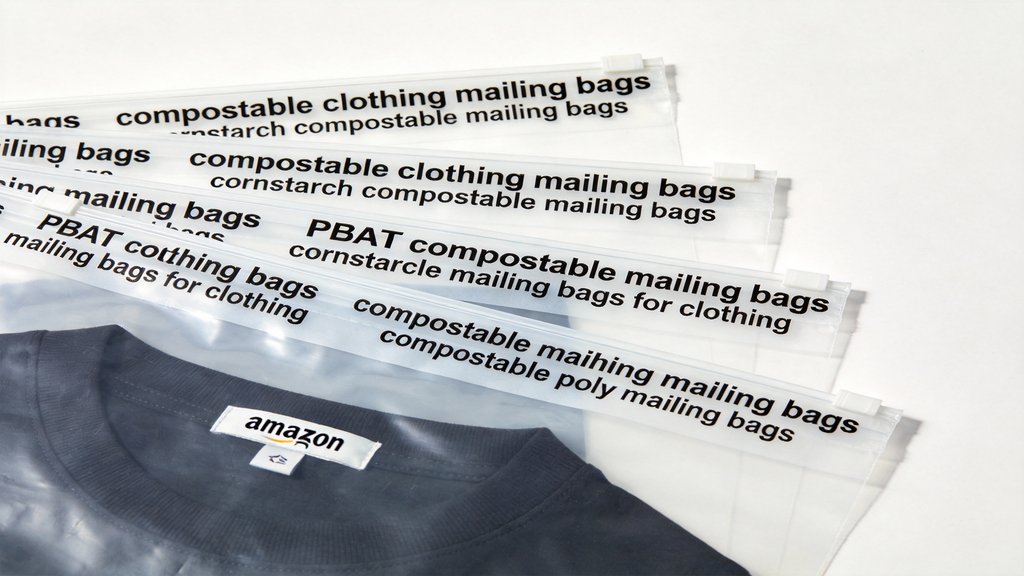
In an era where e-commerce continues to boom, the environmental impact of shipping packaging has come under increasing scrutiny. Traditional plastic mailing bags can take centuries to decompose, clogging landfills and leaching harmful microplastics into ecosystems. For businesses and consumers alike, compostable clothing mailing bags offer a greener alternative that balances functionality with sustainability. These bags, crafted from plant-based materials like PBAT and cornstarch, provide a circular solution to packaging waste, breaking down naturally without leaving a lasting footprint. Whether you’re a retailer shipping apparel or a consumer receiving an order, compostable mailing bags for clothing prove that convenience and environmental responsibility can coexist.
Key Takeaways
- compostable clothing mailing bags are made from renewable, plant-based materials like PBAT compostable mailing bags blends and cornstarch compostable mailing bags, offering a zero-waste alternative to traditional plastic mailers.
- Third-party certifications (such as EN 13432, OK Compost HOME, and BPI) are non-negotiable to ensure these bags fully decompose into nutrient-rich soil without harmful residues.
- Switching to compostable poly mailing bags and other eco-friendly options benefits businesses by boosting brand loyalty and consumers by eliminating plastic packaging guilt, creating a circular shipping ecosystem.
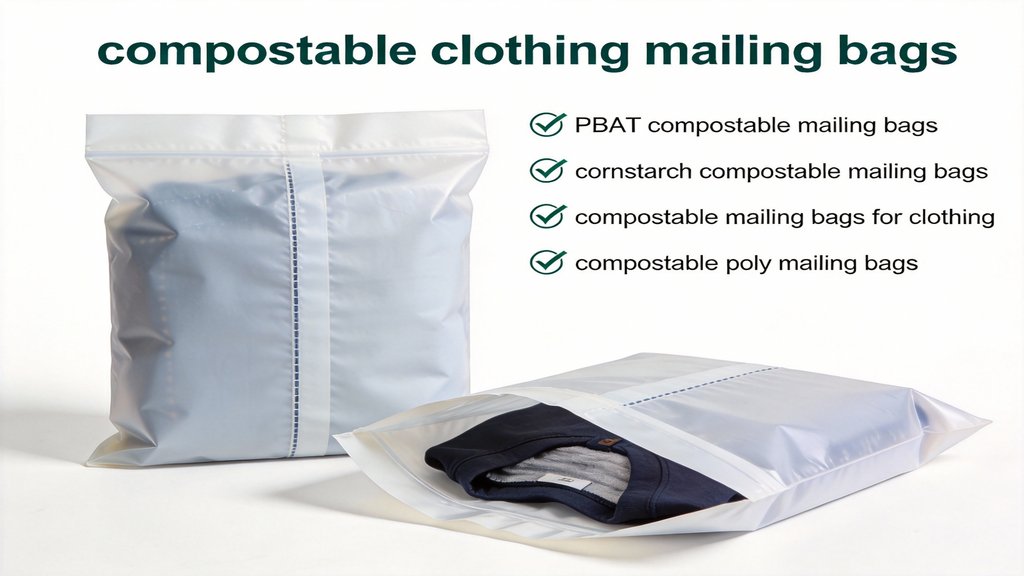
Materials, Certifications, and Types of Compostable Mailing Bags for Clothing
Not all “green” mailing bags are created equal—compostable clothing mailing bags meet strict industry standards that set them apart from basic biodegradable options. Unlike biodegradable products, which may break down partially over time, compostable bags fully decompose into soil, water, and carbon dioxide, leaving no toxic traces.
The most trusted materials for these bags include:
- PBAT compostable mailing bags: Made from polybutylene adipate terephthalate, a flexible, plant-derived polymer that breaks down quickly in both industrial and home compost environments. Manufacturers often blend PBAT with other materials to enhance durability for shipping clothing.
- cornstarch compostable mailing bags: Crafted from fermented corn sugar, these bags are 100% renewable and offer comparable tear resistance to traditional plastic. Many are certified for both industrial and home composting.
- compostable poly mailing bags: Often confused with petroleum-based poly mailers, these are made from plant-based polymers instead of fossil fuels. They’re lightweight, water-resistant, and perfect for protecting clothing from moisture during transit.
Certifications are critical to verify compostability. Look for:
- EN 13432 (European standard): Ensures industrial compostability, with full disintegration in 12 weeks and biodegradation in 6 months.
- OK Compost HOME: Verifies suitability for backyard compost piles, where temperatures are cooler than industrial facilities.
- BPI (Biodegradable Products Institute) and ASTM D6400: U.S.-based certifications confirming compliance with local composting standards.
For example, ASP’s black PBAT compostable mailing bags are 2.5 mil thick, tamper-evident, and made with a PBAT-cornstarch blend that cuts CO2 emissions by 60% compared to traditional plastic. BAGPLASTICS offers custom-printed cornstarch compostable mailing bags with EN 13432 and ISO 9001 certifications, ideal for clothing retailers looking to align packaging with sustainable brand values. JENCENBIO’s compostable poly mailing bags come in a 10×15-inch size with a self-sealing strip, perfect for small to medium clothing items like t-shirts and dresses.
Essential Features to Prioritize in Compostable Clothing Mailing Bags
When selecting compostable mailing bags for clothing, sustainability shouldn’t come at the cost of functionality. Here are the key features to look for:
- Durability and Tamper-Evident Seals: Clothing needs protection during transit, so opt for bags with a strong, peel-and-seal tamper-evident strip. Some compostable poly mailing bags require a few hours at room temperature to form a permanent seal, so follow manufacturer instructions for best results.
- Size Variety: Clothing comes in all shapes and sizes, from tiny socks to bulky winter coats. Choose a supplier that offers options ranging from 6×9 inches for small items to 35×50 inches for large outerwear to avoid excess packaging waste.
- Customization Options: Many manufacturers offer custom printing on compostable clothing mailing bags, allowing businesses to add logos, brand messaging, or composting instructions. This turns packaging into a marketing tool while reinforcing your eco-friendly values.
- Postal Compliance: Look for bags with pre-printed sender address boxes and safety warnings to streamline shipping and meet postal service requirements, just like traditional plastic mailers.
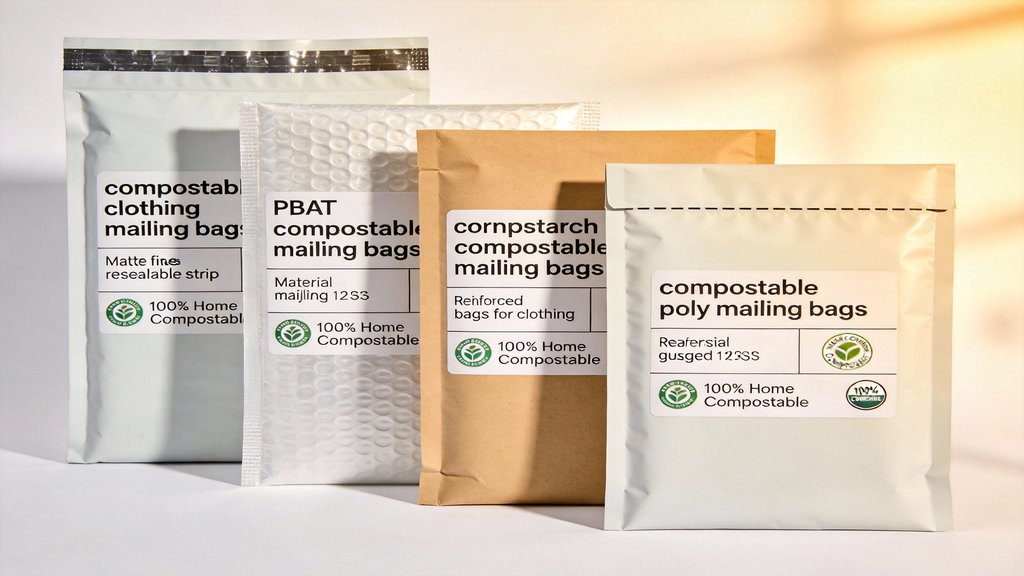
Proper Storage, Use, and Disposal of Compostable Mailing Bags
To maximize the lifespan and environmental benefits of compostable clothing mailing bags, follow these best practices:
- Storage: Keep bags away from direct sunlight, heat, and humidity, as plant-based materials can degrade prematurely. Use them within 12 months of purchase for optimal performance.
- Use: Ensure clothing items are dry before placing them in compostable poly mailing bags or cornstarch compostable mailing bags to prevent mold growth during transit. Press firmly on the self-seal strip to ensure a secure closure, and allow time for the seal to cure if required.
- Disposal: For fastest decomposition, send compostable clothing mailing bags to an industrial compost facility, where they will break down in 6 months or less. If industrial composting isn’t available, home composting is a viable option—look for bags with OK Compost HOME certification, which will break down in 6 to 12 months in a backyard pile. Always remove non-compostable labels or tape before composting. Even in landfills, these bags will biodegrade over time, though the lack of oxygen may slow the process compared to active compost environments.
FAQ
Q: Can compostable clothing mailing bags replace traditional plastic mailers for all clothing shipments?
A: Yes! compostable clothing mailing bags (including PBAT compostable mailing bags, cornstarch compostable mailing bags, and compostable poly mailing bags) offer the same water resistance, tear strength, and convenience as traditional plastic mailers. They’re suitable for shipping all types of clothing, from lightweight t-shirts to heavy jackets, as long as you choose the correct size.
Q: How can I verify that a compostable mailing bag is truly eco-friendly?
A: Always look for third-party certifications. For industrial composting, check for EN 13432 or BPI (ASTM D6400) certification. For home composting, look for OK Compost HOME or Australia’s AS5810. Avoid products labeled “biodegradable” without these certifications, as they may not fully decompose or could leave harmful residues.
Q: Are compostable clothing mailing bags more expensive than traditional plastic mailers?
A: While compostable mailing bags for clothing may have a slightly higher upfront cost, the long-term benefits often outweigh the expense. Businesses can justify the cost by appealing to eco-conscious consumers, who are more likely to support brands with sustainable practices. Additionally, as demand grows, the price of these bags is steadily decreasing, making them a more accessible option for small and large retailers alike.
Conclusion
compostable clothing mailing bags are more than a trend—they’re a necessary evolution in sustainable e-commerce packaging. By choosing PBAT compostable mailing bags, cornstarch compostable mailing bags, or compostable poly mailing bags, businesses and consumers can reduce their reliance on single-use plastic without sacrificing functionality. With strict certifications ensuring complete, residue-free decomposition, these bags offer a circular solution that returns to the earth instead of cluttering landfills. As the demand for eco-friendly shipping options continues to rise, compostable mailing bags for clothing are poised to become the new standard, proving that convenience and environmental stewardship can go hand in hand