
As consumers and businesses increasingly prioritize sustainability, compost bag manufacture has emerged as a critical industry for cutting plastic waste. Unlike traditional plastic bags that linger in landfills for centuries, compostable bags break down into nutrient-rich soil, making them a game-changer for waste management. Whether you’re a business owner seeking custom packaging or an eco-conscious consumer, understanding compost bag manufacture is key to making informed, planet-friendly choices. This guide covers the core elements of compost bag manufacture, from material selection to custom design, and how to find the right partner for your needs.
Choosing the Right Materials for Sustainable Compost Bag Manufacture
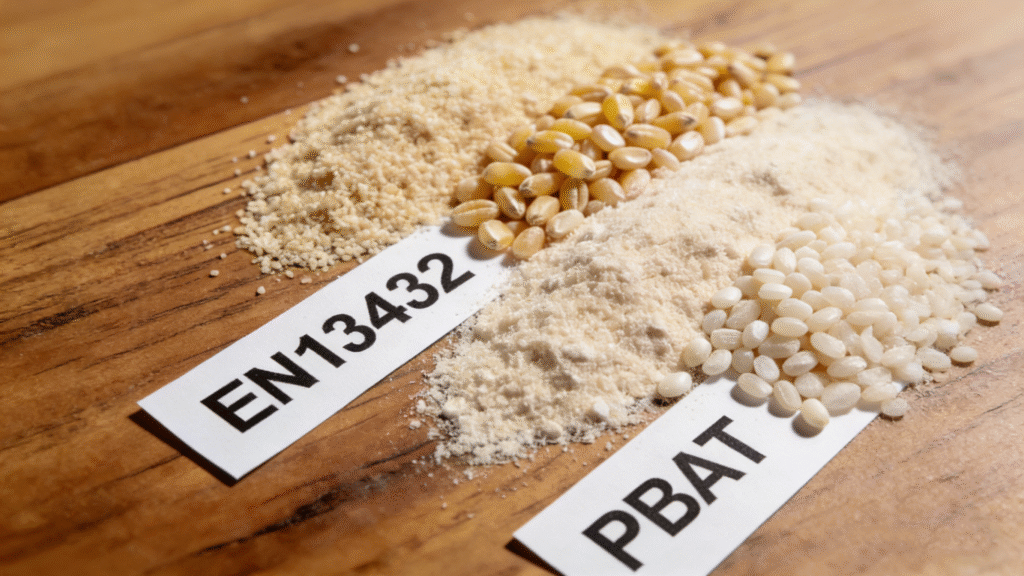
The foundation of high-quality compost bag manufacture lies in selecting certified biodegradable materials. The most trusted options are plant-based polymers like cornstarch, PBAT (a biodegradable polyester), and PLA (polylactic acid), all derived from renewable resources such as sugarcane or corn.
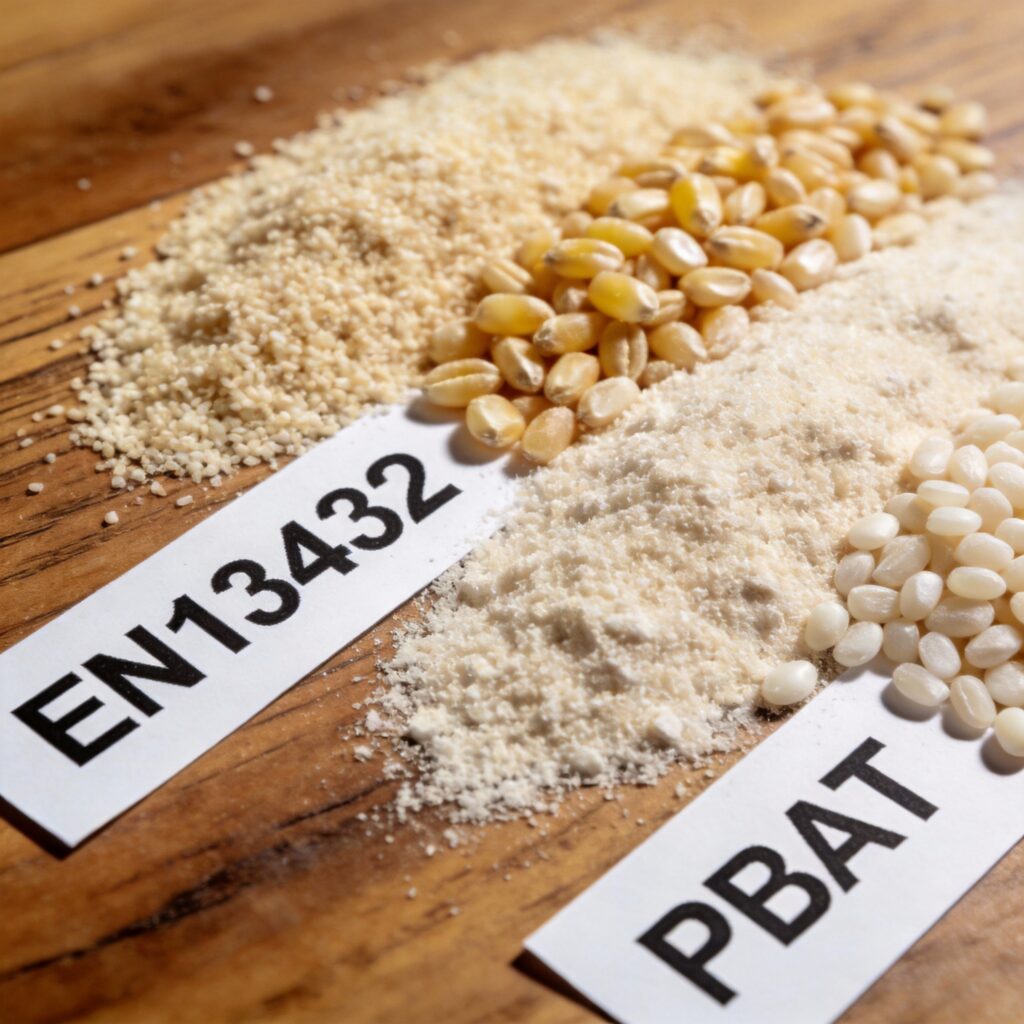
These materials meet strict global standards like EN13432 and AS5810, guaranteeing they break down completely in industrial or home composting environments within 180 days. When partnering with a compost bag manufacture provider, always verify material certifications. Reputable manufacturers will share test results proving their bags leave no microplastics behind—a common flaw in low-quality compostable products.
Many compost bag manufacture specialists blend cornstarch and PBAT to balance durability and compostability, creating bags strong enough for heavy items like food waste or takeaway meals. Avoid manufacturers using non-certified materials, as these may not truly decompose, undermining your sustainability goals.
Customization Options in Compost Bag Manufacture
One of the biggest advantages of working with a professional compost bag manufacture team is access to fully custom solutions tailored to your brand and needs. Every aspect of the bag can be personalized, from size and shape to printing and special features.
For businesses, compost bag manufacture allows you to add your logo, brand colors, or sustainability messaging to reinforce your eco-friendly values. Most providers offer 1-4 color gravure printing, which produces crisp, long-lasting designs that don’t compromise the bag’s compostability.
Size flexibility is another key benefit of modern compost bag manufacture. Whether you need small kitchen bin bags, large gusseted commercial compost bags, or takeaway bags with handles, manufacturers can adjust dimensions to fit your requirements. Some compost bag manufacture partners also offer specialized features like tear-resistant seals or breathable panels, perfect for food waste bags that need to contain moisture without trapping odors.
When discussing customization, ask about minimum order quantities (MOQs). Most reputable compost bag manufacture providers require at least 1,000 units for custom designs, but some offer flexible options for small businesses or startups.
Finding a Reliable Compost Bag Manufacture Partner
Selecting the right compost bag manufacture partner is critical to ensuring consistent quality, on-time delivery, and compliance with sustainability standards. Start by researching manufacturers with a proven track record in eco-friendly packaging—prioritize those that specialize in compost bag manufacture rather than general plastic packaging, as they’ll have the expertise to address unique challenges like material sourcing and certification.
When vetting potential partners, request samples to test the bags’ durability and compostability. A trustworthy compost bag manufacture provider will also share their production processes, including how they source raw materials and ensure ethical manufacturing practices. Transparency is key—avoid manufacturers that can’t provide clear supply chain or certification details.
Communication and customer support are also vital. A strong compost bag manufacture team will work with you to understand your needs, offer design advice, and provide updates throughout production. For scaling businesses, look for compost bag manufacture partners that can accommodate large orders and offer bulk pricing without sacrificing quality.
Conclusion
compost bag manufacture is more than just producing bags—it’s about building sustainable solutions that reduce plastic waste and support a circular economy. By choosing certified materials, leveraging customization options, and partnering with a reliable manufacturer, you can access compost bags that are both functional and eco-friendly. Whether you’re a business owner enhancing your brand’s sustainability credentials or a consumer seeking better waste management tools, understanding compost bag manufacture is the first step toward making a positive impact.
FAQ
Q: What certifications should I look for in compost bag manufacture products?
A: Prioritize globally recognized certifications like EN13432 (European standard), AS5810 (Australian standard), or BPI (Biodegradable Products Institute) certification. These ensure compost bag manufacture products break down completely in composting environments without leaving harmful residues.
Q: What is the typical MOQ for custom compost bag manufacture orders?
A: Minimum order quantities vary by compost bag manufacture provider, but most reputable companies require at least 1,000 kgs for custom designs. Some offer lower MOQs for small businesses, so be sure to ask about flexible options when discussing your needs.
Q: Can compost bags made through professional compost bag manufacture hold heavy items?
A: Yes! High-quality compost bag manufacture uses durable material blends like cornstarch and PBAT, which can safely hold heavy items like food waste, garden trimmings, or takeaway meals without tearing. Always discuss your specific load requirements with your compost bag manufacture partner to ensure the bags are designed for your use case.