
You might believe a biodegradable bag always offers a safe, eco-friendly choice. Many people think these bags vanish quickly and cause no harm. In reality, several myths surround their safety:
Many bags, like those made from PLA, need industrial composting to break down. They do not decompose properly in home compost or landfill, which can pollute soil.
Some compostable bags still contain a high percentage of fossil-fuel based materials.
Recent studies reveal that some biodegradable bags fail to break down in natural environments. This can harm animals and the land. You need clear information and careful disposal to avoid risks.
Key Takeaways
Not all biodegradable bags break down easily. Many need industrial composting conditions to decompose properly.
Biodegradable bags can leave harmful microplastics if they do not fully break down. This can pollute soil and water.
Always check labels for certifications like ‘OK compost HOME’ to ensure safe disposal and environmental protection.
Avoid putting biodegradable bags in recycling bins. They can contaminate recycling streams and should be disposed of correctly.
Choose bags made from natural materials to reduce health risks from chemical additives and ensure safer use.
Biodegradable Bag Breakdown Issues
Decomposition Conditions Matter
You might expect a biodegradable bag to break down quickly wherever you throw it away. This is not always true. Many bags labelled as compostable or biodegradable need special conditions to decompose safely. Industrial composting facilities create the right mix of heat, moisture, air, and microorganisms. These places keep temperatures between 50°C and 60°C, which you cannot reach in your home compost or in a landfill. Without these conditions, the bag may stay in the environment for a long time.
Note: Plastics marked as industrial compostable will not break down in your garden compost bin. They need the high heat and controlled environment of an industrial plant.
You can see the difference in breakdown times below:
Composting Environment | Breakdown Time |
|---|---|
Industrial Composting | 90–180 days |
Home Composting | Up to 12 months |
This table shows that a biodegradable bag can take much longer to break down at home. If you throw it in the rubbish, it may not break down at all.
Microplastics and Residues
When a biodegradable bag does not fully decompose, it can leave behind microplastics or other harmful residues. These tiny plastic pieces can pollute soil and water. Some bags, like oxo-degradable bags, break down into microplastics rather than disappearing completely. This can harm wildlife and make pollution worse.
Here are the main types of bags and their safety:
Biodegradable bags: May take a long time to break down and can leave harmful byproducts.
Compostable bags: Break down faster and do not leave toxic residues, but only in the right conditions.
Oxo-degradable bags: Break down into microplastics, which can pollute the environment.
If a biodegradable bag ends up in landfill, it may not break down at all. It can leave microplastics in the soil or water and add to pollution. You need to check the label and dispose of these bags in the right way to protect the environment.
Wildlife and Environmental Risks
Incomplete Degradation Effects
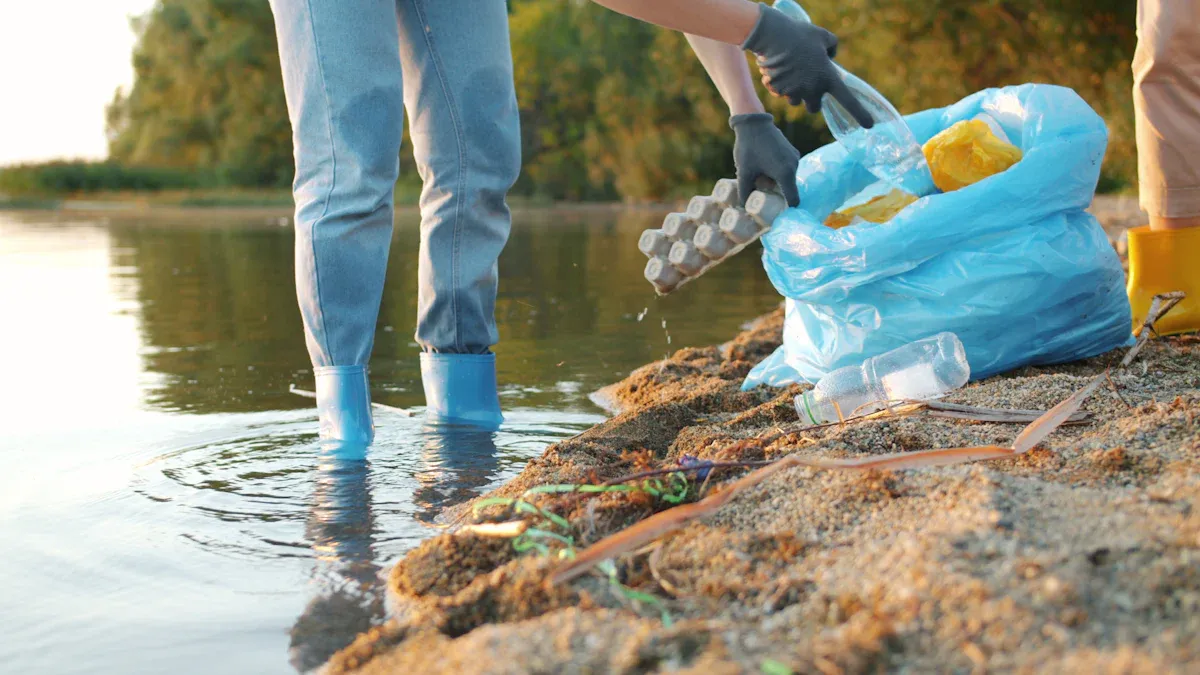
You might think a biodegradable bag disappears without a trace, but this is not always true. When these bags do not break down fully, they can remain in the environment for years. In marine settings, the problem becomes even more serious.
Biodegradable plastic bags can stay intact for over three years in the ocean. This long lifespan means they can still cause harm, just like regular plastic.
Some materials, such as polylactic acid fibres, do not break down quickly. They can build up in the sea and may enter the bodies of marine animals.
Microplastics from these bags can move through the marine food web. This can put many sea creatures at risk.
You can see that incomplete breakdown does not solve the pollution problem. Instead, it can add new dangers to the environment.
Impact on Animals and Ecosystems
Wildlife often suffers when biodegradable bags do not degrade as expected. Animals may mistake these bags for food or become trapped in them. Even when the bags break into smaller pieces, the risk does not go away.
Caddisfly larvae, which live in rivers and lakes, have been seen biting biodegradable plastics into tiny pieces. They use these pieces to build their protective cases. In just a few days, the larvae can create hundreds of microplastic particles. This behaviour shows how quickly microplastics can enter freshwater systems.
When microplastics enter the food chain, they can harm fish, birds, and other animals. Over time, these particles may build up in the bodies of animals and move up the food web. You might not see the effects right away, but the risks to ecosystems are real and lasting.
If you want to protect wildlife and the environment, you need to think carefully about how you use and dispose of biodegradable bags. Choosing the right disposal method can help reduce these hidden dangers.
Biodegradable Bag Additives
Chemical Ingredients
You might think every biodegradable bag is safe for you and the environment. This is not always true. Many manufacturers add chemicals to help these bags break down faster. Some of these additives include metal salts, plasticisers, and stabilisers. These chemicals can speed up the breakdown process, but they may also leave behind unwanted residues.
Note: Not all additives are harmless. Some can leach into soil or water as the bag breaks down.
You should know that oxo-degradable bags often use additives that cause the plastic to fragment into tiny pieces. These fragments can become microplastics, which do not disappear from the environment. Some biodegradable bags also contain dyes or inks that may contain heavy metals. These substances can pose risks to plants, animals, and even humans.
On the other hand, some bags use natural materials like corn starch or potato starch. These plant-based bags usually break down into harmless substances. They do not need extra chemicals to decompose. If you want a safer option, look for bags labelled as “100% plant-based” or “home compostable”.
Human Health Concerns
You may wonder if using a biodegradable bag could affect your health. The answer depends on the ingredients used. When bags contain chemical additives, there is a chance that these substances could transfer to your hands or food. For example, some plasticisers and dyes can move from the bag to whatever you carry inside it.
Children and pets are especially at risk because they often touch or chew on bags. If a bag contains harmful chemicals, it could cause skin irritation or other health problems. You should always check the label and choose bags made from natural materials when possible.
Tip: Choose bags with clear labelling and avoid those with strong chemical smells. This can help you reduce your exposure to unwanted additives.
Labelling and Disposal Confusion
Misleading Information
You may find it hard to trust the labels on many bags. Companies often use words like “biodegradable” or “compostable” without clear definitions. This confusion can lead you to dispose of bags in the wrong way, which reduces their safety and environmental benefits.
60% of compostable plastics do not meet composting standards.
Nearly one-third of sustainability claims about products are potentially misleading.
72% of consumers believe compostable single-use coffee cups can be recycled.
58% think biodegradable plastic bags can be recycled.
You can see that many people misunderstand what these labels mean. If you put a biodegradable bag in the recycling bin, it may contaminate the recycling stream. If you throw it in the rubbish, it may not break down as promised.
Tip: Always check for certification marks such as “OK compost HOME” or “EN 13432”. These marks show that the bag meets strict composting standards.
Safe Disposal Practices
You play a key role in making sure biodegradable bags do not harm the environment. Proper disposal helps prevent pollution and protects wildlife. If you throw these bags into landfill, they may break down without oxygen. This process, called anaerobic decomposition, creates methane. Methane is a greenhouse gas that traps heat 25 times more effectively than carbon dioxide. Decomposing bags can also create leachate, which may pollute groundwater and threaten drinking water safety.
Here are some steps you can follow:
Look for clear labels and certifications before buying a bag.
Use local composting facilities if available.
Do not put biodegradable bags in the recycling bin.
Avoid sending these bags to landfill whenever possible.
Ask your council about the best way to dispose of compostable or biodegradable bags in your area.
Remember: The right disposal method protects both the environment and your community.
You have seen that choosing a biodegradable bag involves more than reading the label. Not all bags break down safely or protect the environment. You should check for trusted certifications, such as EN13432 or BPI, and read labels for clear information. Experts suggest you:
Look for certified labels.
Understand how and where the bag breaks down.
Check for transparent labelling.
Avoid misleading claims.
Research the brand.
You can also review this table of important certifications:
Certification/Standard | Description |
|---|---|
EN13432 | Requires full disintegration and no negative compost impact. |
BPI Certification | Ensures no harmful microplastics remain. |
Stay informed and choose bags that match your composting setup. Responsible choices help protect your health and the planet.
FAQ
What is the difference between biodegradable and compostable bags?
You will find that compostable bags break down into safe, natural materials under the right conditions. Biodegradable bags may leave microplastics or residues. Always check for certifications like “OK compost HOME” to ensure you choose the safest option.
Can you recycle biodegradable bags with regular plastic?
You should not put biodegradable bags in your recycling bin. These bags can contaminate the recycling process. Most recycling centres do not accept them. Always follow local disposal guidelines for biodegradable products.
Are biodegradable bags safe for food storage?
Most plant-based biodegradable bags are safe for food. You should check the packaging for food safety labels. Avoid bags with strong chemical smells or unclear ingredients. When in doubt, choose bags marked as food-safe.
How should you dispose of biodegradable bags at home?
Tip: Use a local composting facility if possible.
If you have a home compost bin, only compost bags labelled “home compostable”. Never put biodegradable bags in the recycling bin or general waste if you can avoid it.